"All property owners are required to be members of the HPOA, but membership to the golf club is separate."
That line from a Fairfield-based agent who works the Hiddenbrooke market sounds like a simple clarification. It is actually the first hint of something buyers in this gated Vallejo community discover much later than they should: the fee structure here has more moving parts than a single HOA line item, and which parts apply to a given house depends entirely on where inside Hiddenbrooke's nine sub-neighborhoods that house sits.
If you have seen a listing quote an annual due of roughly $103.50, that number is real. It is also only one of up to three separate cost layers a Hiddenbrooke buyer may be responsible for, and the other two rarely show up until the disclosure packet lands in your inbox during escrow.
Where The $103.50 Figure Comes From
The Hiddenbrooke Property Owners Association, known as the HPOA, is the mandatory master association covering every one of the community's 1,200-plus homes. It was formed in November 2005 by a majority vote of Hiddenbrooke property owners, built on covenants, conditions, and restrictions recorded by the original master developer. Every owner pays into it. For the 2024-2025 year, that annual due was $103.50.
For a gated, guarded community with a golf course running through it, that number looks almost too low. It is, because it does not cover what most people assume an HOA fee covers.
What The Master HPOA Actually Pays For
The HPOA is explicit on its own site that it does not own any common area property in Hiddenbrooke. Its job is narrower than the name suggests. According to its published list of functions, the HPOA:
- Monitors compliance with the community's CC&Rs
- Reviews and approves architectural and landscape plans through its review committee, HARC
- Manages the Welcome Center and contracts for unarmed security guard services at the gate
- Works with the City of Vallejo on property tax matters tied to a separate bond assessment
- Publishes a periodic community newsletter, the Hiddenbrooke Times
Landscaping along the entrance road, the waterfall feature, and community parks is not on that list. That work falls to the city, through a mechanism most buyers never hear mentioned in a listing description.
The Layer That Rides On Your Tax Bill
The City of Vallejo maintains Hiddenbrooke's public landscaping through the Hiddenbrooke Maintenance District, one of 26 landscape maintenance districts the city administers, and by the HPOA's own account, the largest of them. That maintenance work is funded by property taxes, not by the $103.50 HOA due.
Separately, the HPOA also coordinates with the city on the Hiddenbrooke Improvement District bond, a tax-bill assessment tied to the original infrastructure that built the community. Neither of these appears on an HOA disclosure statement the way a monthly or annual due does. Both appear on the property tax bill, which means a buyer comparing "HOA fees" across listings in Hiddenbrooke against a home in a neighboring Vallejo subdivision without a special assessment district is not comparing like to like, even if both listings show a similarly modest HOA number.
The Second Layer: Four Sub-HOAs Most Listings Skip
Hiddenbrooke is organized into nine distinct sub-neighborhoods. Four of them carry their own homeowners associations layered on top of the master HPOA: Fairway Villas, Reflections, Summit, and Village.
Fairway Villas is a 96-unit association built in 2005. Village at Hiddenbrooke is a 101-unit association built in 2003. Each of these sub-HOAs has its own CC&Rs, its own dues structure, and its own architectural approval process that runs before the HPOA's review even begins. If you are buying into one of these four sections, you are not comparing your total housing cost to the $103.50 master due. You are adding a second, association-specific due on top of it.
The other five sub-neighborhoods answer only to the master HPOA. Same gate, same guard contract, same golf course view in some cases, meaningfully different fee structure depending on which side of an internal boundary the address falls on.
Here is how the layers break down:
| Cost or approval layer | Who charges it | Applies to |
|---|---|---|
| Master HPOA due | Hiddenbrooke Property Owners Association | All homes, all nine sub-neighborhoods |
| Sub-HOA due | Fairway Villas, Reflections, Summit, or Village associations | Only homes in those four sections |
| HID bond and HMD assessment | City of Vallejo, via property tax bill | All homes within the district boundary |
A buyer who only asks a listing agent about "the HOA fee" and gets back a single number has, at best, half the picture.
The Approval Process Has The Same Two Steps As The Fees
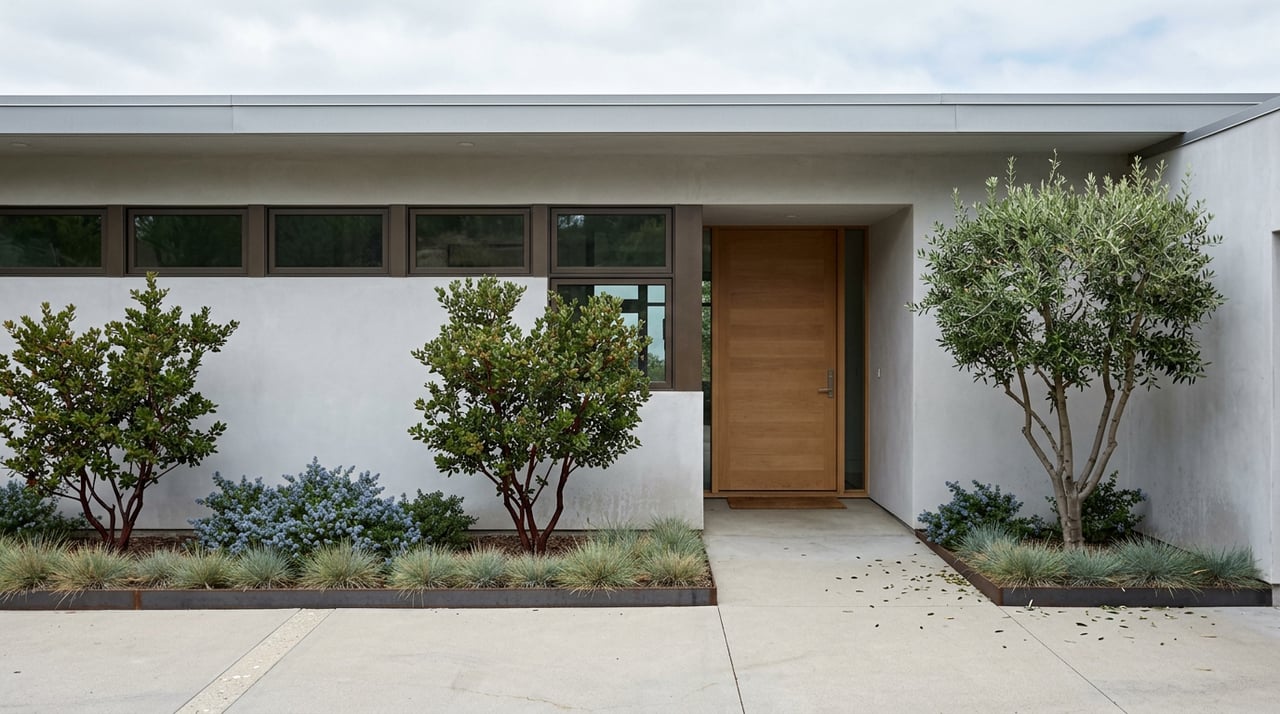
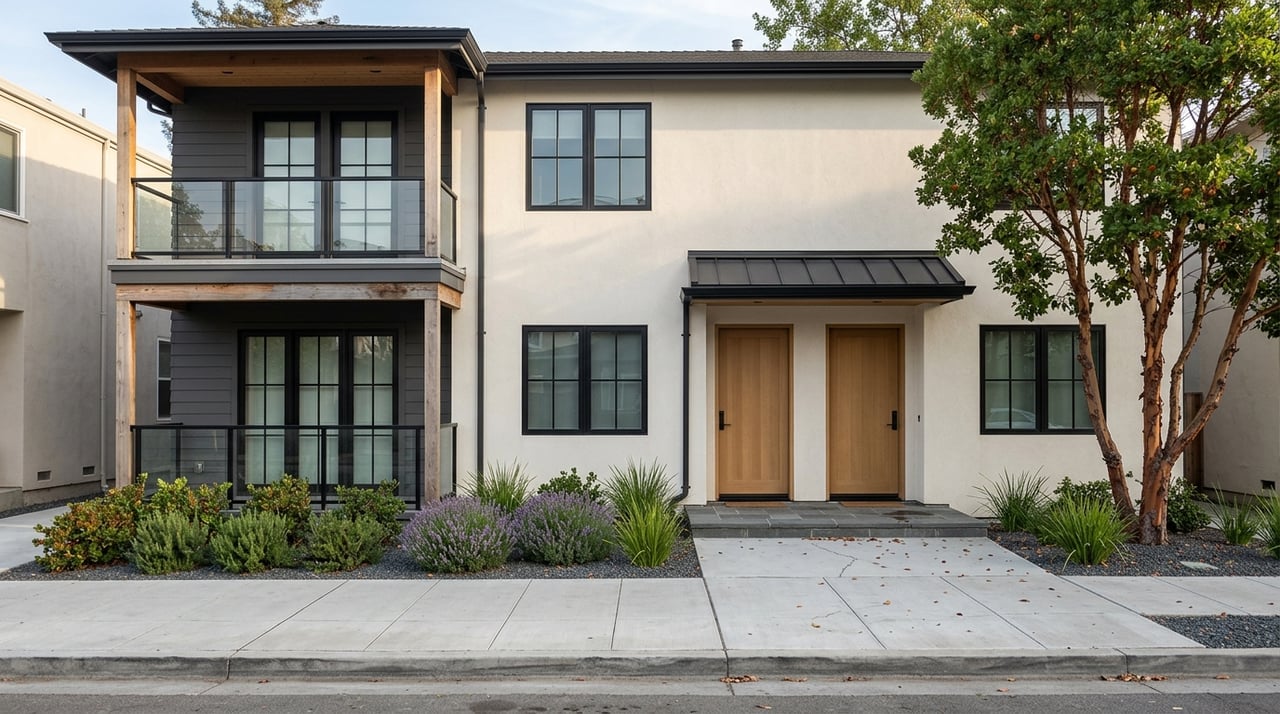
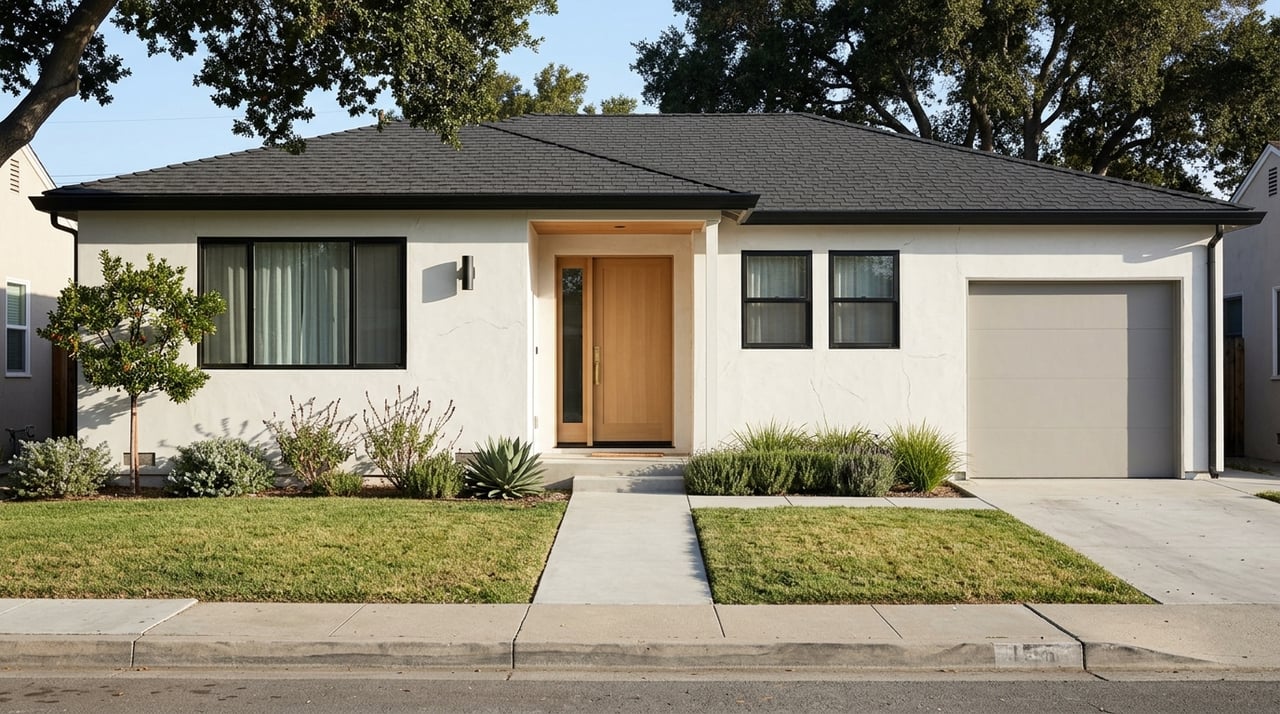
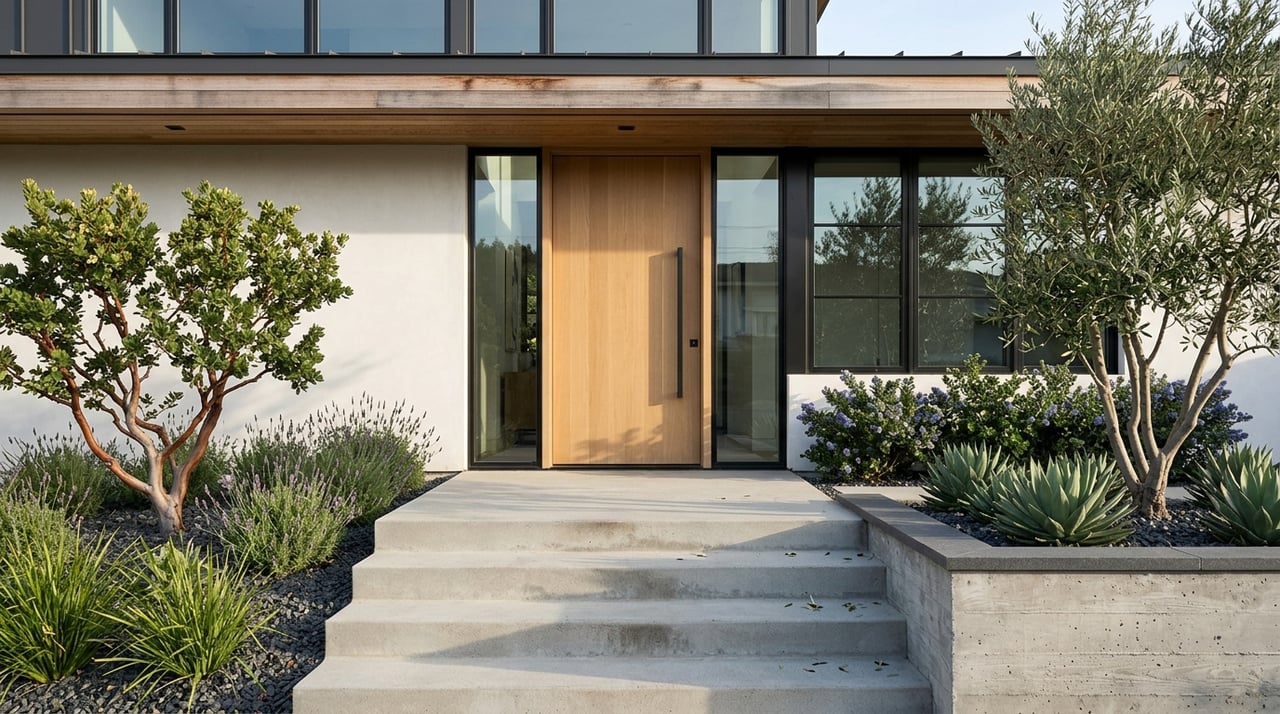
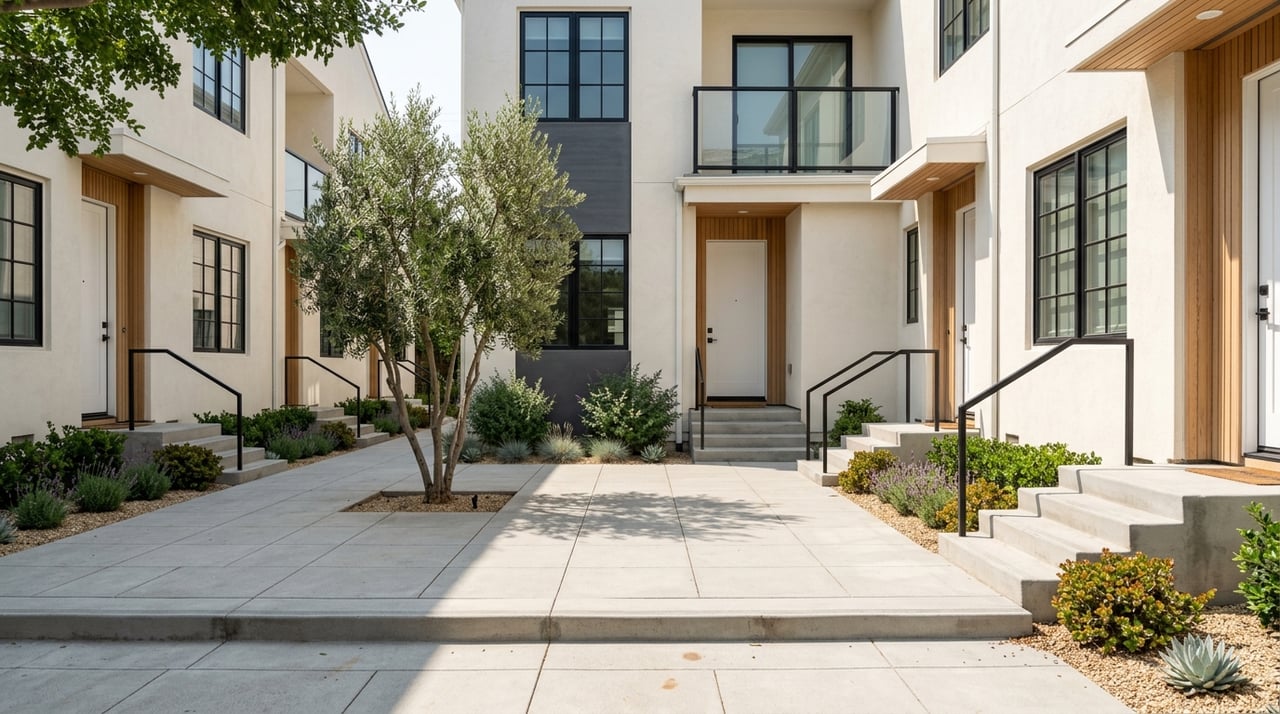
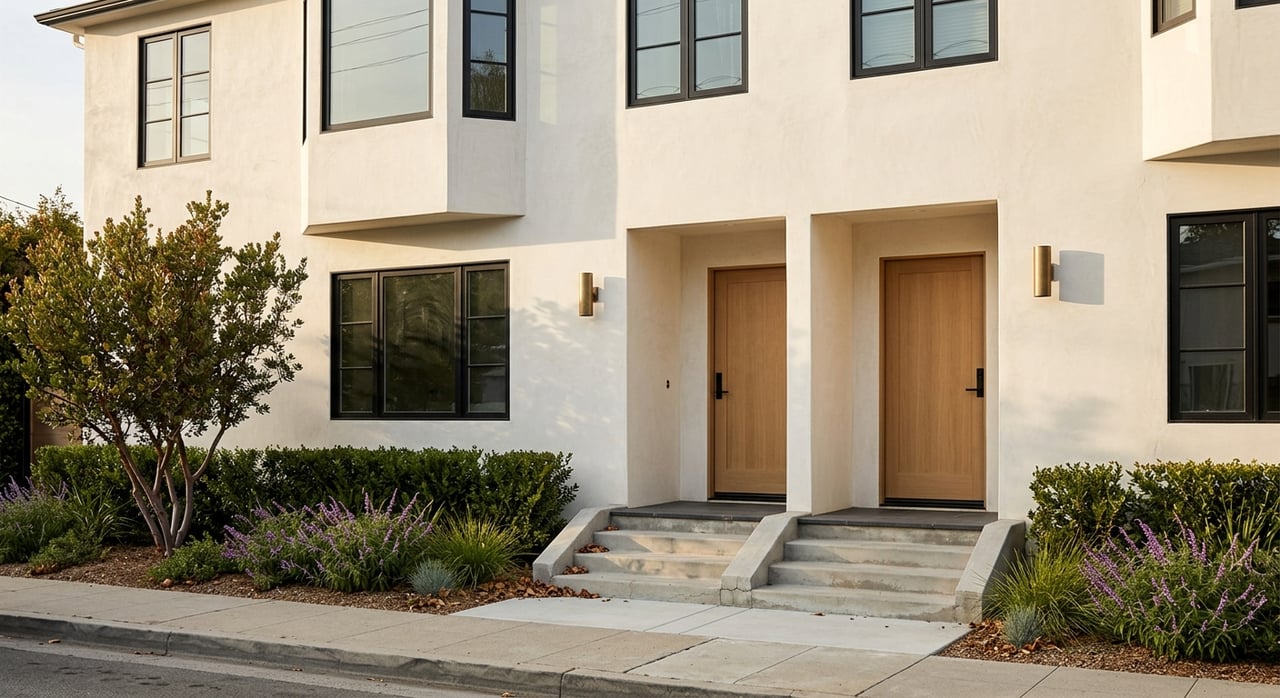
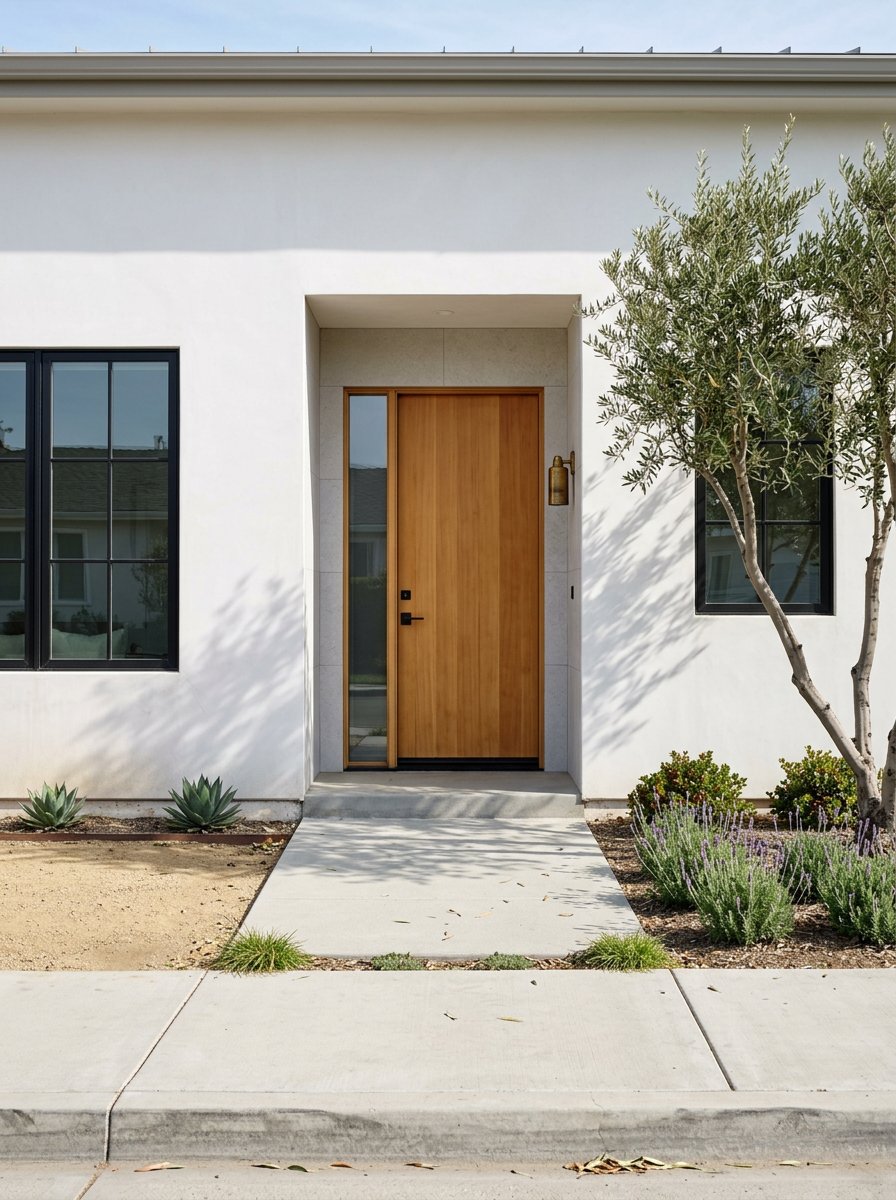
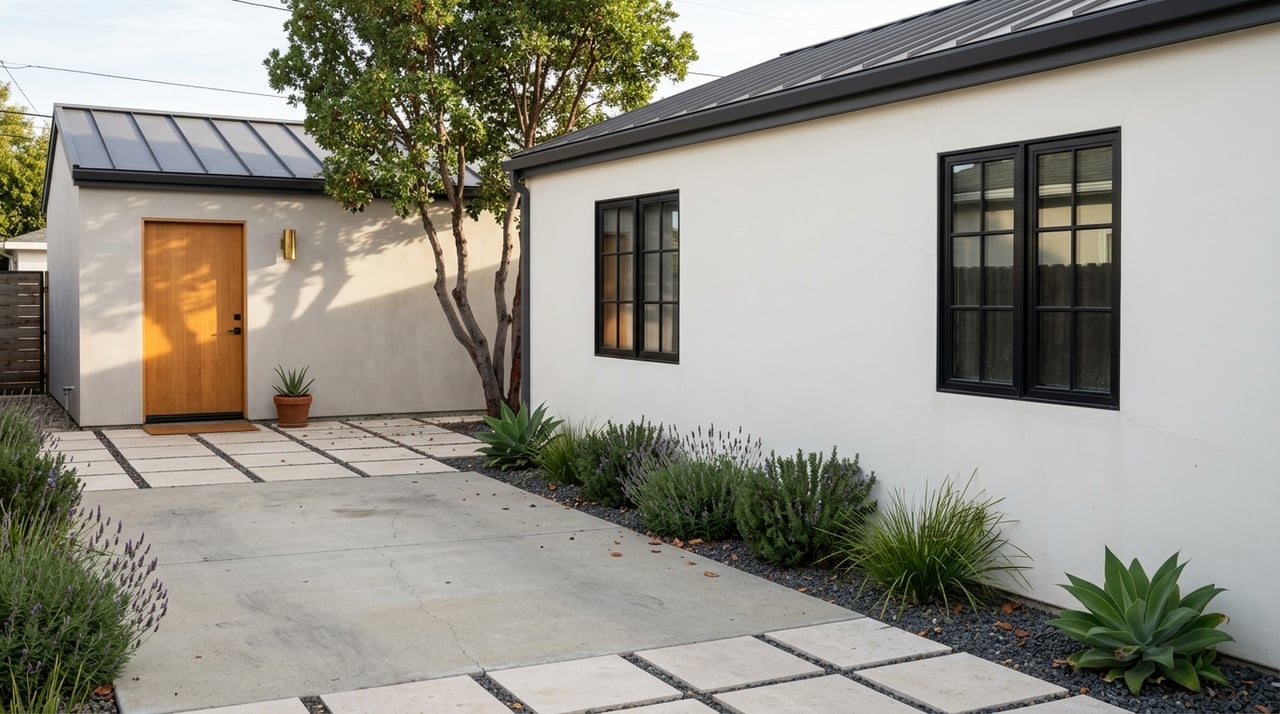
The layering shows up again once you own the home and want to change anything about it. If your address sits inside Fairway Villas, Reflections, Summit, or Village, you submit your plans to that sub-HOA first. Only after that approval do you submit to HARC, the Hiddenbrooke Architectural Review Committee, which reviews everything from new home designs to landscaping changes and most exterior improvements across the entire community. HARC's stated design intent draws from the architectural vocabulary of Mediterranean villages, which is why stucco, low-pitched tile rooflines, and recessed openings are common throughout the community, custom homes included.
Skip a step in that sequence and you can find yourself with HARC-approved plans that your own sub-HOA never signed off on, or vice versa. It is a slow way to lose a construction season.
What This Means While You're Under Contract
None of this makes Hiddenbrooke a bad buy. The gated setting, the Arnold Palmer-designed golf course at its center, and roughly 700 acres of surrounding permanent open space are real amenities that a flat annual due of $103.50 could never fund on its own. The layered structure is simply how the community pays for what it has.
What it means for a buyer is that due diligence has to go one level deeper than usual. Before you write an offer, or at the latest during your disclosure review period:
- Confirm which of the nine sub-neighborhoods the address sits in, since that determines whether a second HOA due applies at all
- Request the sub-HOA's current CC&Rs and financial statements if one applies, in addition to the HPOA's
- Ask escrow or title for the current status and payoff terms of any Hiddenbrooke Improvement District bond assessment tied to the parcel, since bond balances can transfer with the property
- If you plan to renovate or build custom, ask whether your section requires sub-HOA approval before HARC review, so you can plan the timeline correctly
A buyer's agent who has actually read a Hiddenbrooke disclosure packet before knows to ask for all of this up front rather than discovering it during a 17-day contingency period.
A Few Questions Worth Asking Directly
Does every home in Hiddenbrooke pay a sub-HOA due? No. Only homes in Fairway Villas, Reflections, Summit, and Village carry a sub-HOA on top of the master HPOA due. The other five sub-neighborhoods pay the master due only.
Is golf club membership included in any of these fees? No. HPOA membership is mandatory for every owner, but membership to the Hiddenbrooke Golf Club is a separate, optional arrangement.
Who do I call if I see a broken sprinkler or landscaping issue in a common area? Common area and entrance landscaping in Hiddenbrooke is maintained by the city through the Hiddenbrooke Maintenance District, not the HPOA directly.
Working Through The Details
Fee structures like Hiddenbrooke's are exactly the kind of detail that separates a smooth escrow from a stressful one. If you're evaluating a home in this community, or anywhere else across the East Bay, City 1st Realty can walk through the disclosure packet with you line by line, connect you with in-house financing that accounts for the full carrying cost, and make sure nothing on the tax bill or the HOA statement catches you by surprise after closing. Work with us.