Buying a duplex, triplex, or fourplex in the East Bay can sound like a smart shortcut to building wealth. But in Berkeley and El Cerrito, small multi-family investing works best when you understand the local rules, the financing options, and the day-to-day management realities before you write an offer. If you want a clear picture of how this strategy really works in these two cities, you’re in the right place. Let’s dive in.
Berkeley and El Cerrito differ
Berkeley and El Cerrito sit close together, but they are not the same market for small multi-family investing. Berkeley is more renter-heavy, with a 44.2% owner-occupied housing rate, while El Cerrito is more owner-occupied at 58.6%. Median owner-occupied home values also differ, at $1,413,900 in Berkeley and $1,124,400 in El Cerrito.
That split shapes how investors should think about each city. Berkeley has a deeper multi-family housing base, while El Cerrito still supports rentals but feels more like a mixed owner-occupied market with targeted rental and infill opportunities.
Berkeley has more multi-family stock
Berkeley’s housing stock is distinctly more multi-family. The city reports that 55% of its housing units are in multi-family buildings, including 10,075 units in 2 to 4 unit properties and 18,028 units in 5+ unit properties in 2020.
In practical terms, that means you are more likely to come across older flats, bungalow courts, and small apartment buildings in Berkeley. City documents describe multi-unit flats with features like stucco or wood siding, flat roofs, decorative cornices, and angled bay windows.
El Cerrito has a smaller but still meaningful rental base. The city says there are about 4,000 rental properties, and its housing and zoning documents discuss duplexes, triplexes, townhomes, garden apartments, and other apartment buildings as part of the local mix.
What small multi-family looks like
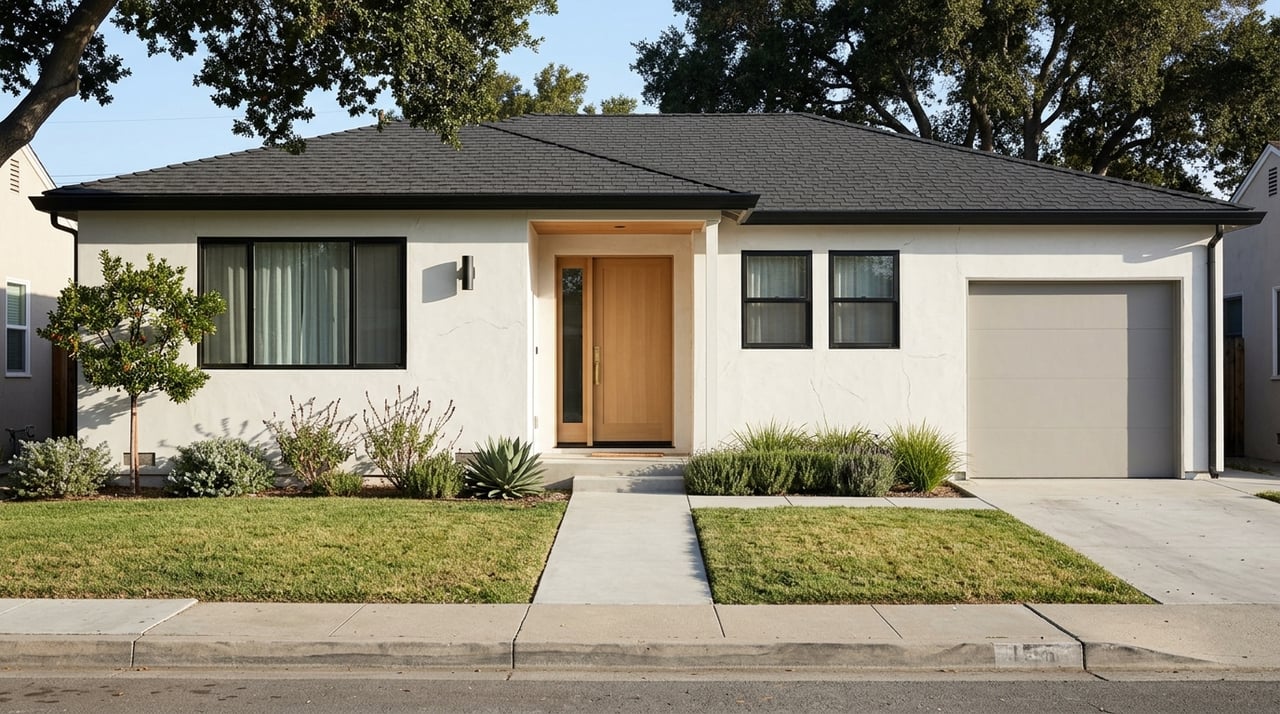
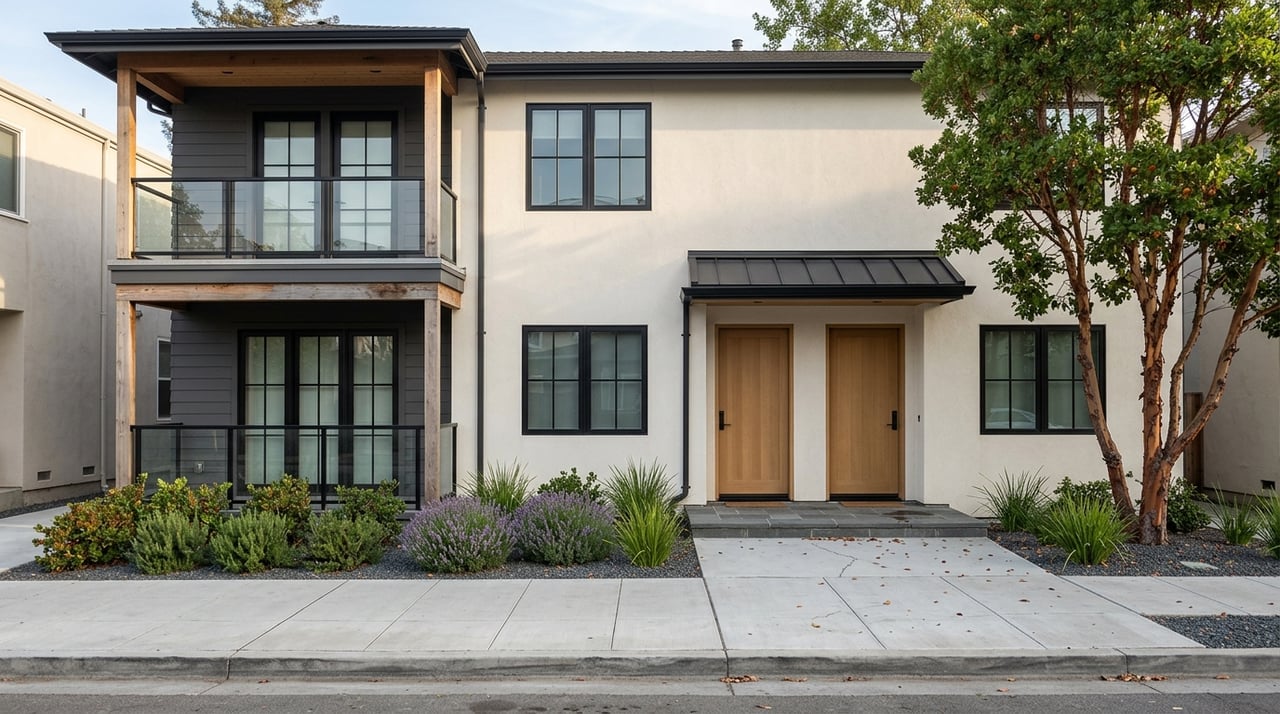
In Berkeley, the small multi-family conversation often centers on older urban building types. You may see duplexes and triplexes in established neighborhoods, along with small apartment properties that have been part of the city’s housing fabric for decades.
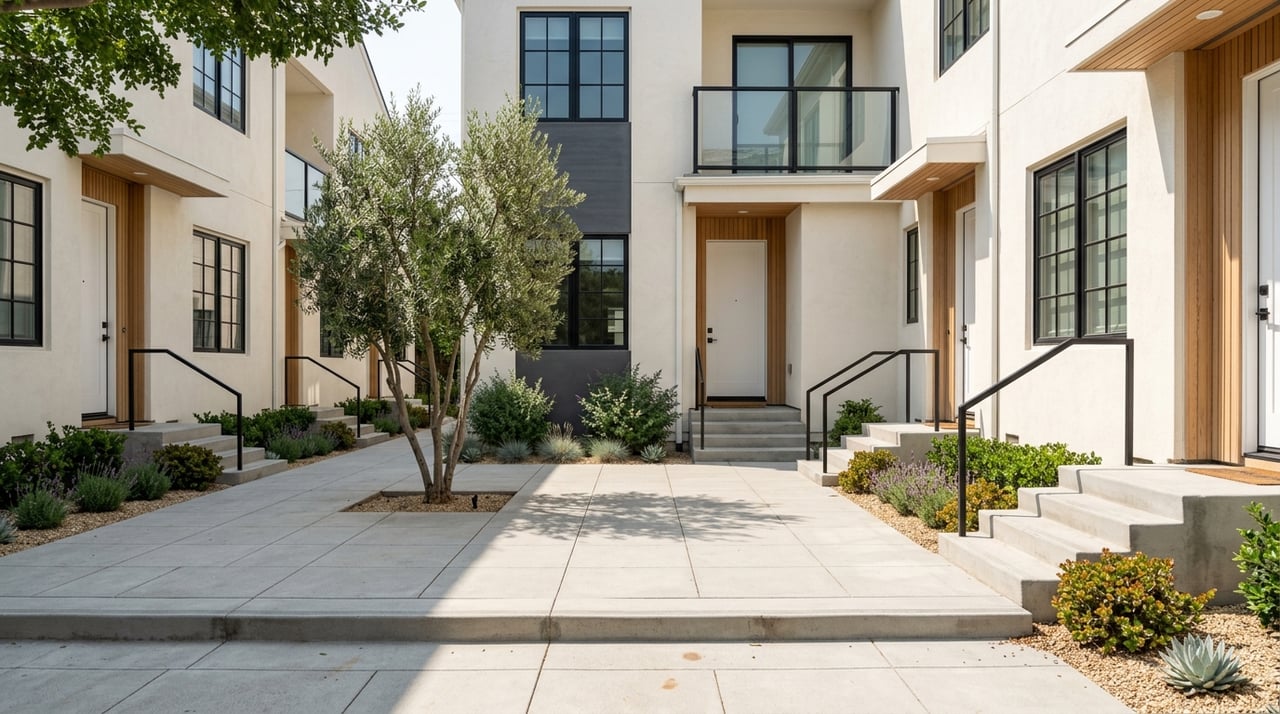
Berkeley is also moving toward more small-scale multi-family approvals. The city’s middle-housing rules, effective November 1, 2025, create faster approval paths for duplexes, triplexes, fourplexes, courtyard apartments, and similar housing types in most residential neighborhoods, except Berkeley Hills high-fire-hazard areas.
El Cerrito has a somewhat different pattern. Its code encourages forms such as townhouses, co-housing, congregate care, and garden apartments, and the city is promoting transit-oriented multi-family near El Cerrito Plaza BART.
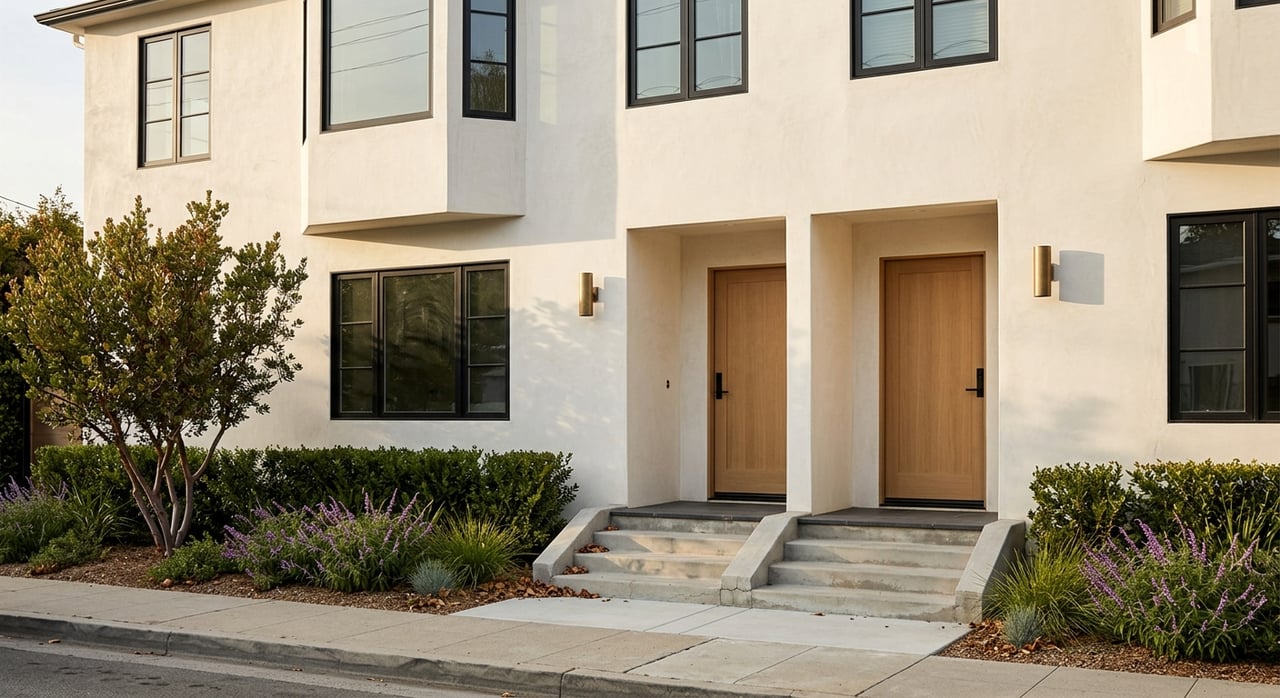
For you as a buyer or investor, that means El Cerrito may present more duplexes, townhome-style properties, small apartment buildings, and infill opportunities near transit. Berkeley may offer more older small multi-family buildings with longer operating histories and more local regulation to review.
Owner-occupant financing can help
One reason small multi-family investing appeals to first-time investors is that owner-occupant financing can work on 1 to 4 unit properties. HUD says FHA financing can be used on 1 to 4 unit properties with down payments as low as 3.5%.
Freddie Mac also says mortgages for 2 to 4 unit owner-occupied primary residences are eligible. It further notes that rental income from units not occupied by the borrower can be eligible for qualification if lender requirements are met.
This is why house hacking is such an important part of the conversation. If you live in one unit and rent the others, the rent may help offset your housing cost while you build equity over time.
Rent should be treated carefully
In Berkeley and El Cerrito, high purchase prices change the math. With owner-occupied values above $1.1 million in both cities, the story is usually not instant cash flow.
A more realistic goal is partial rent offset and long-term equity building. The rent from other units may help reduce your effective monthly cost, but that does not mean every property will produce easy profit right away.
Underwriting should account for lender rules, repairs, vacancy, turnover, and reserves. If you are counting projected rent, it is smarter to view that income as a cushion that helps the deal work, not as money that is guaranteed from day one.
Berkeley has tighter rent rules
Berkeley is the more heavily regulated market of the two. The Berkeley Rent Board says many rental units are fully covered by the Rent Ordinance, and owners must register fully covered units.
The ordinance addresses rent control, just-cause eviction, registration, and security-deposit interest. The Rent Board also says most units in multi-family properties built before 1980 are fully covered.
For covered units, Berkeley states that landlords can set the initial rent at the start of a new tenancy, but later increases are limited. The 2026 Annual General Adjustment is 1.0%, and AGAs are capped at 5%.
If you are evaluating a Berkeley duplex or fourplex, these rules can directly affect future income growth. That makes due diligence on rent-control status one of the most important parts of the purchase process.
El Cerrito uses a different model
El Cerrito does not operate Berkeley-style rent control. The city says it has no oversight role for AB 1482 matters, but nearly all residential rentals are subject to a business license, annual rent registry, and residential rental inspection process.
El Cerrito also says short-term rentals under 30 days are not allowed except under bed-and-breakfast rules. For long-term rentals, statewide Tenant Protection Act rules may apply unless a property is specifically exempt.
According to the California Attorney General, the Tenant Protection Act caps most rent increases at 10% total or 5% plus inflation, allows landlords to set the initial rent at the start of a new tenancy, and applies to most residential rental units unless exempt.
For investors, the big takeaway is simple. El Cerrito still requires compliance and organization, but the framework is generally more about statewide rules plus city licensing and inspections rather than Berkeley’s local rent-control structure.
Due diligence matters more here
In both cities, small multi-family investing is not just about finding the right price. It is also about confirming what you are really buying.
Before removing contingencies, you should review the property’s unit count, permit history, lease terms, current rents, and any records tied to registration or inspections. Berkeley offers online permit-record research, and El Cerrito requires owners to handle licensing, rent registry, and inspections.
That paper trail can reveal issues that affect financing, management, or future improvements. It can also help you understand whether a property has been operated in a way that matches city requirements.
Management can protect your return
Because compliance is part of the business model, management often matters more in small multi-family than many buyers expect. A simple single-family rental may have fewer moving parts, but a duplex, triplex, or fourplex can involve lease timing, rent rules, repairs, registration, notices, and inspection deadlines.
That is why professional management may pay for itself sooner in a regulated or process-heavy market. Even if you plan to owner-operate, you need systems for tracking occupancy, maintenance, deadlines, and property records.
For buyers who want a long-term strategy, this is where full-service support can make a real difference. When your buying, financing, and management plans work together, you are in a stronger position to make disciplined decisions.
Future supply still matters
Both cities are signaling support for more small-scale housing, though in different ways. Berkeley’s middle-housing rules support faster approvals for missing-middle forms in most residential areas, while El Cerrito’s housing planning points to duplexes, triplexes, and multi-family growth near El Cerrito Plaza BART.
That matters because small multi-family is not just a legacy asset class in this corridor. It is also part of how both cities are thinking about future housing supply.
For you, that means there may be opportunities in both existing buildings and properties with longer-term improvement or redevelopment potential. The local rules, though, will still shape what makes sense on a property-by-property basis.
What strategy makes sense
For most buyers, the strongest small multi-family strategy in Berkeley or El Cerrito is not chasing quick cash flow. It is buying with a clear plan for occupancy, conservative underwriting, and steady operations.
If you want to live in one unit, owner-occupant financing may help you enter the market with a more manageable path. If you are buying as an investor, careful review of rent rules, inspection history, and management needs becomes even more important.
The comparison is straightforward. Berkeley can offer a deeper pool of multi-family properties, but it comes with tighter local rent regulation. El Cerrito can offer a simpler operating framework in some cases, but you still need to follow the city’s licensing, registry, and inspection requirements.
If you are thinking about buying a duplex, triplex, or fourplex in the East Bay, working with a team that understands acquisitions, financing, and property management can help you see the full picture before you commit. City 1st Realty helps clients move from renter to buyer and from buyer to investor with a practical, full-service approach.
FAQs
How does small multi-family investing differ in Berkeley and El Cerrito?
- Berkeley has more multi-family housing and tighter local rent regulation, while El Cerrito is more owner-occupied and operates more through statewide tenant rules plus local licensing, registry, and inspection requirements.
Can you use owner-occupant financing on a duplex, triplex, or fourplex?
- Yes. HUD says FHA financing can be used on 1 to 4 unit properties, and Freddie Mac says 2 to 4 unit owner-occupied primary residences may qualify if lending requirements are met.
How much rental income should you count when buying a small multi-family property?
- You should treat projected rent as a partial offset, not guaranteed profit, because underwriting rules, vacancy, repairs, and turnover all affect the final numbers.
What rent increase rules apply to Berkeley multi-family properties?
- The Berkeley Rent Board says many units are covered by the Rent Ordinance, initial rent can be set at the start of a new tenancy, and later increases in covered units are limited, with the 2026 Annual General Adjustment at 1.0%.
What rental rules should you expect in El Cerrito?
- El Cerrito says nearly all residential rentals require a business license, annual rent registry, and residential rental inspection process, and the city does not administer Berkeley-style rent control.
What records should you review before buying a Berkeley or El Cerrito duplex?
- You should review permit records, unit count, lease terms, current rents, registration status, inspection history, and any city compliance records before removing contingencies.