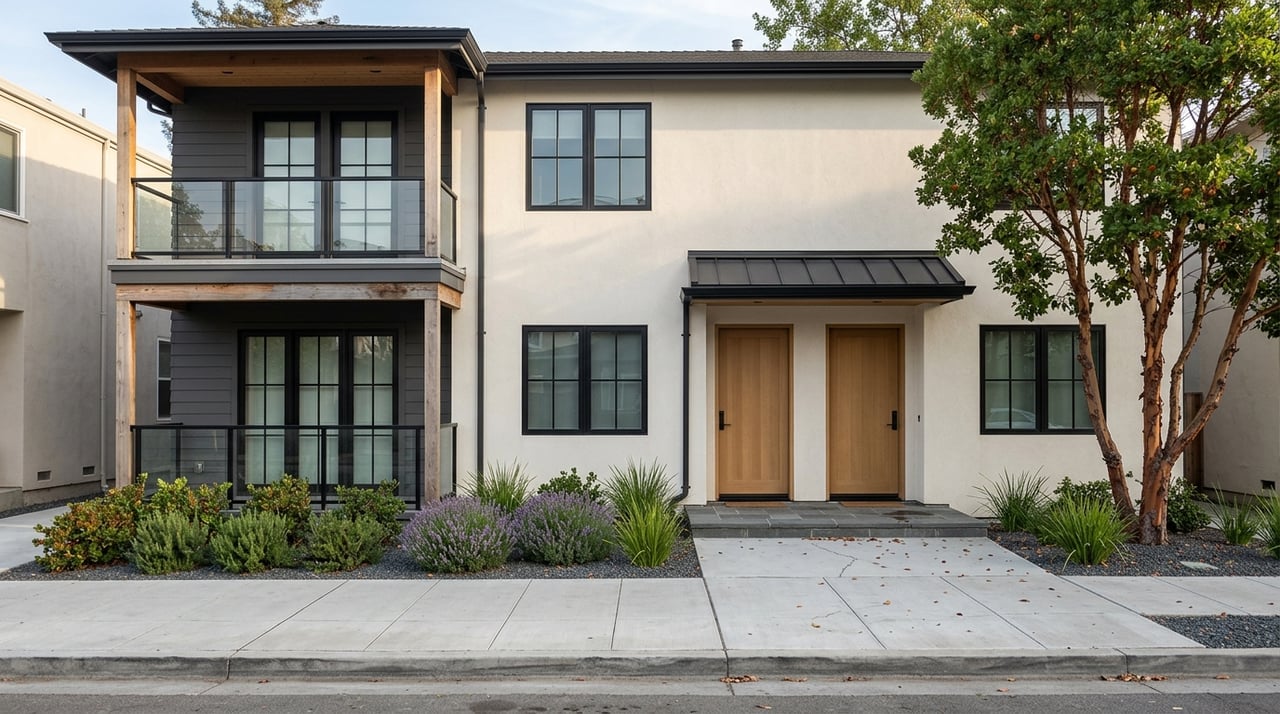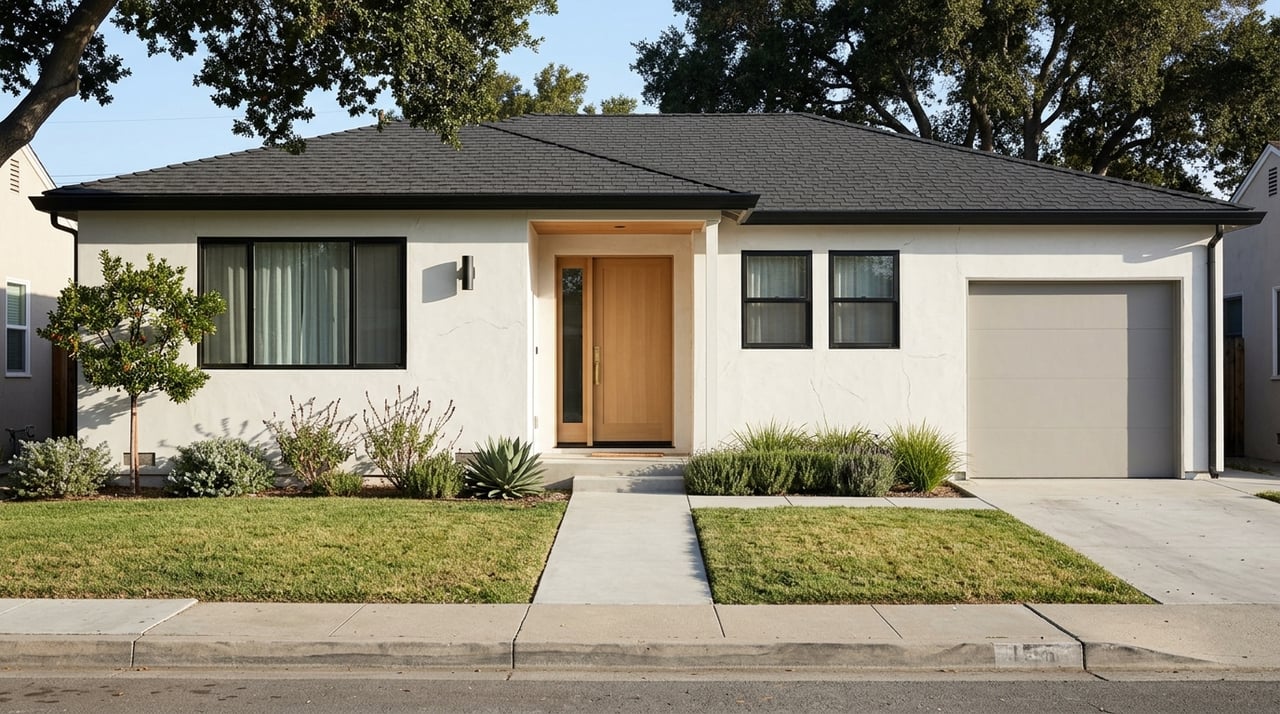
Wondering if your first East Bay home could help you buy your next one instead of getting sold off? It is a smart question, especially if you have built equity and like the idea of turning one property into a long-term asset. In the East Bay, that path can work, but the numbers and local rules matter more than the idea itself. Let’s dive in.
Why this strategy appeals
For many move-up buyers, keeping a first home as a rental feels like a natural next step. You keep an asset you already know, you may build wealth over time, and you create another path for future income.
That said, East Bay markets do not all behave the same way. In higher-value areas, the gap between what a home is worth and what it can rent for may make the math tighter than you expect.
East Bay math matters first
Before you fall in love with the strategy, start with a simple screen: can your current home rent for enough to support itself while you also take on your next home purchase? That does not replace a full analysis, but it gives you an early signal.
According to the U.S. Census Bureau, Oakland has a median gross rent of $1,979 and a median owner value of $929,900, while Alameda has a median gross rent of $2,474 and a median owner value of $1,235,700. Berkeley shows an even tighter spread, with median gross rent of $2,133 and median owner value of $1,413,900. Those figures point to relatively thin gross rent-to-value ratios in the higher-value core cities. (Oakland housing data, Alameda housing data, Berkeley housing data)
In plain terms, that means keeping your first home as a rental may be harder in Oakland, Berkeley, or Alameda unless you have a lower mortgage balance or can command stronger rent than the median. The idea is still possible, but it often needs careful planning.
What the East Bay snapshot suggests
The same Census data shows a stronger rough gross rent-to-value relationship in some nearby markets. Concord reports a median gross rent of $2,274 and median owner value of $797,600, while Vallejo reports median gross rent of $2,073 and median owner value of $589,500. (Concord housing data, Vallejo housing data)
That does not mean every home in Concord or Vallejo works as a rental, or that every Oakland home does not. It does mean that in Oakland-area move-up planning, the financial hurdle is often higher than the emotional hurdle.
How to test if your home can carry itself
A keep decision is usually strongest when the projected rent can cover a realistic monthly budget and still leave room for reserves. A sell decision is often stronger when the numbers are thin or your next purchase becomes much easier if you unlock your equity.
When you evaluate your current home, look beyond the mortgage payment alone. You should also account for:
- Property taxes
- Insurance
- HOA dues, if any
- Repairs and maintenance
- Vacancy periods
- Property management costs
- City registration or compliance costs where applicable
If your estimated rent only barely covers the basics on paper, the margin may disappear fast once real-life expenses show up. That is why a clean, honest budget matters before you make your move.
Equity options for your next purchase
If you want to keep your first home, the next question is often how to access equity for the move-up purchase. The Consumer Financial Protection Bureau explains that a HELOC is an open-end line of credit secured by your home equity, while a home equity loan is a lump-sum second mortgage. A cash-out refinance replaces your current mortgage with a larger one and lets you take proceeds out in cash. (CFPB explanation of HELOCs and equity borrowing)
Each option affects your monthly payment, your risk, and your flexibility. The CFPB also notes that moving other debt into mortgage debt can increase foreclosure risk, so this is not a decision to make casually. Freddie Mac recommends comparing quotes from three to five lenders, which is a good habit if you are weighing any refinance or equity strategy. (CFPB explanation of HELOCs and equity borrowing)
Keep or sell: a practical framework
If you are torn, use a simple planning lens. The goal is not to force the rental strategy. The goal is to choose the option that gives you the strongest overall position.
Keeping may make sense if
- Your projected rent covers realistic monthly costs
- You have cash reserves for repairs and vacancy
- Your current mortgage balance is low enough to leave room in the budget
- You want long-term exposure to East Bay real estate
- Your next purchase is still affordable without overextending
Selling may make sense if
- The rent-to-value math is thin
- Your city has a tighter rule set for your property type
- You need more equity for the next down payment
- You prefer simplicity over managing two properties
- You do not want the legal and operational responsibility of being a landlord
For many owners, the right answer is not emotional. It is operational. If the retained home cannot stand on its own, selling may create a cleaner and safer path to your next purchase.
Local rules can change the decision
In the East Bay, legal details can shape your strategy just as much as the numbers. You should review your property by address, unit type, and year built before assuming it will operate like a typical rental.
California sets the statewide baseline. The California Attorney General says security deposits are capped at one month’s rent for most residential rentals, deposits can only be used for specific lawful purposes, and any remaining balance plus itemized deductions must be returned within 21 days after move-out. California also requires formal written notice for rent increases: 30 days if the increase is 10% or less, and 90 days if it is more than 10%. Self-help evictions, such as lockouts or shutting off utilities, are illegal. (California landlord-tenant rules)
The state’s Tenant Protection Act, often called AB 1482, generally limits rent increases for covered units to 5% plus CPI or 10%, whichever is lower, over a 12-month period. It also gives most residential tenants just-cause protections after 12 months, and some no-fault evictions can require relocation assistance equal to one month of rent. (California landlord-tenant rules)
California fair housing law also applies to landlords and others involved in housing. The Civil Rights Department says the law prohibits discrimination and harassment based on protected characteristics, requires reasonable accommodations for disabilities, and protects tenants from retaliation for exercising their rights. (California fair housing protections)
Oakland rental rules to know
If your first home is in Oakland, city-specific rules deserve close attention. Oakland is a just-cause city, and its rent registry requires covered units to be registered. The city states that the current allowable annual rent increase for rent-regulated units is 0.8% effective August 1, 2025 through July 31, 2026. (Oakland rent registration and rent adjustment rules)
Oakland also says its rent adjustment ordinance generally applies to most multifamily properties built before January 1, 1983, while the just-cause ordinance applies to most rental units built more than 10 years ago, including rented single-family homes and condos. Just as important, Oakland says the sale of property is not just cause for eviction. (Oakland rent registration and rent adjustment rules)
Berkeley and Alameda rules to screen
Berkeley requires most rental units to be registered with the Rent Board. For most fully covered units, the 2026 Annual General Adjustment is 1.0%, and the city also states that sale of property, foreclosure, or a change in ownership is not just cause for eviction. (Berkeley Rent Board registration rules)
In Alameda, the current Annual General Adjustment is 1.0% for September 1, 2025 through August 31, 2026 for multi-unit properties built before February 1995. For units not covered by Alameda’s local rent control, the city says the current AB 1482 cap is 6.3% for the period beginning August 1, 2025 through July 31, 2026. Alameda also notes that a landlord must be in compliance with registration and fee requirements before using the AGA. (Alameda Rent Program update)
The big takeaway is simple: there is no one-size-fits-all East Bay landlord rule. Your address matters.
A smarter move-up plan
If you are trying to go from first home to first rental in Oakland or the broader Oakland-Hayward-Berkeley area, your best next step is to treat this as a full planning exercise. Start with realistic rent, review carrying costs, evaluate your equity options, and screen the local rules before you commit.
That kind of planning can help you avoid a common mistake: keeping a home because it feels like an investment, even when it functions like a strain on your next chapter. When the numbers, financing, and compliance all line up, the strategy can be a great wealth-building move. When they do not, selling may put you in a stronger position.
If you want help thinking through whether to keep, sell, refinance, or line up property management support, connect with City 1st Realty. Their team can help you look at the move from the angles that matter most: purchase timing, equity strategy, and long-term ownership goals.
FAQs
Can I turn my Oakland home into a rental when I buy another home?
- Yes, but you should review whether the rent can realistically cover your full monthly costs and whether your property falls under Oakland’s registration, rent adjustment, or just-cause rules.
Do I need to register a rental property in Oakland, Berkeley, or Alameda?
- In Oakland and Berkeley, most covered units must be registered, and Alameda also ties certain rent increase eligibility to registration and fee compliance.
Can I raise rent every year on an East Bay rental?
- Possibly, but only within applicable state and local limits and with the proper written notice required by California law.
Can I evict a tenant because I want to sell my Oakland or Berkeley property?
- In Oakland and Berkeley, the sale of property is not just cause for eviction according to the city rules cited above.
Should I use a HELOC or cash-out refinance to keep my first home as a rental?
- It depends on your payment, rate, reserves, and overall risk, so it is important to compare options carefully and shop multiple lenders before deciding.