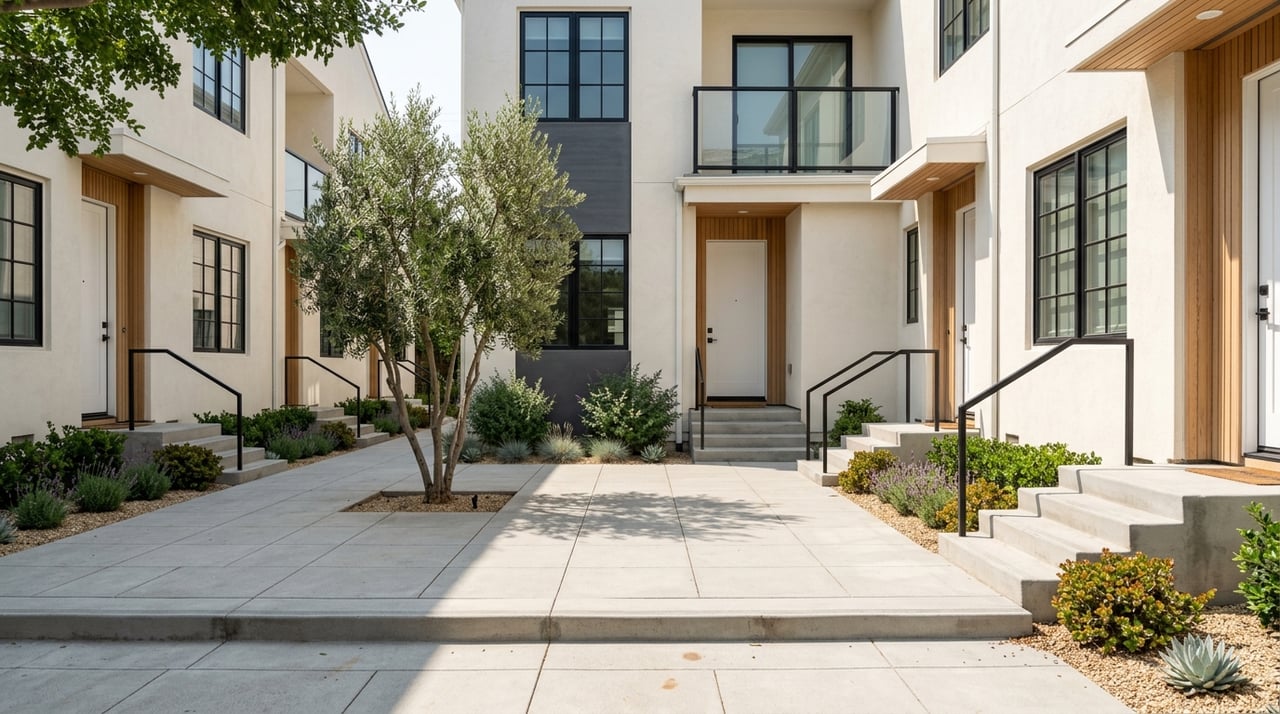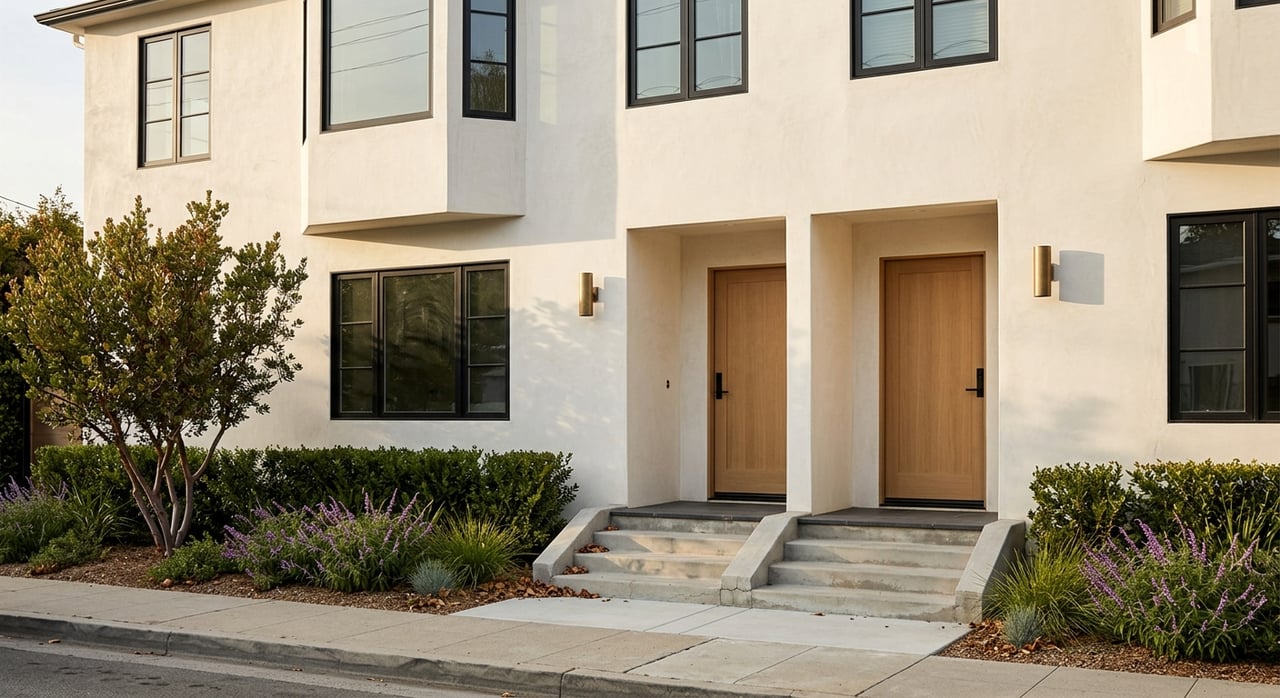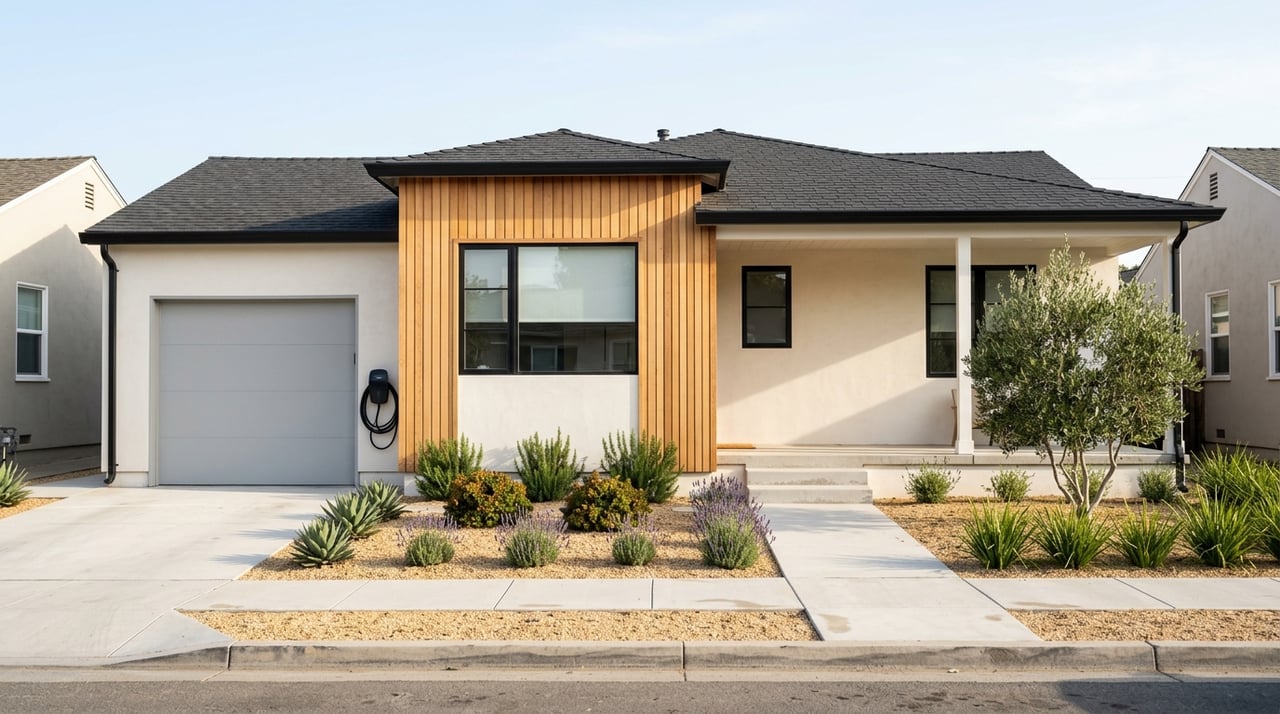
Thinking about trading your Concord starter home for more space, a better layout, or a yard that finally fits your life? A move-up purchase takes planning, especially in a market where good listings can still go pending in a few weeks. In this guide, you’ll learn how to time your sale and purchase, compare financing tools like bridge loans and HELOCs, and weigh neighborhood, school, and commute trade-offs around Concord. By the end, you’ll have a clear, step-by-step plan you can put to work. Let’s dive in.
Concord market at a glance
Recent snapshots for late 2025 and early 2026 show Concord’s single-family median hovering from the mid 600s to low 700s, with many listings moving in the high 20s to low 30s days when priced and marketed well. That pace matters when you decide to sell first or buy first.
Rates also shape your plan. According to the latest Primary Mortgage Market Survey, the national average 30-year fixed stood near 5.98% for the week ending Feb 26, 2026, which improves purchasing power compared to prior peaks. You can check the most recent reading at the Freddie Mac PMMS.
One more threshold to watch: the 2026 baseline conforming loan limit for a 1-unit home is $832,750. If your new mortgage exceeds the local conforming cap, you’ll look at jumbo financing with different underwriting and pricing. See the FHFA announcement on 2026 loan limits.
Choose your move-up path
Sell first: list, then buy
Selling first lets you avoid carrying two mortgages. You’ll know your exact net proceeds and can use those funds for the next down payment without a bridge loan. Underwriting on your new purchase is usually simpler.
The trade-off is timing. In a competitive market, a purchase offer that depends on your sale can be less attractive to sellers. You may also need temporary housing or a rent-back to bridge the gap between closings. Ask your agent for a seller net sheet so you can model how much cash you’ll have available.
Buy first: use equity, then sell
When inventory is tight or you need to move only once, buying first can make sense. You can pursue a non-contingent offer and move straight into the new home. Common tools include:
- Bridge loan secured by your current home. It is short term, often interest-only, and typically carries higher rates and fees than a first mortgage. Many lenders want your combined loan-to-value to stay under about 80%. Learn the basics in this bridge loan explainer from Experian.
- HELOC or home equity loan as your down payment source. Fees can be lower than a bridge product, but HELOC rates are often variable, and you’ll need an appraisal and full underwriting. The CFPB guide to HELOC alternatives is a helpful overview.
- Cash-out refinance. This replaces your current first mortgage with a larger loan and returns cash to you. It can simplify payments, but if your existing rate is lower than today’s, refinancing up can raise costs. Compare against current averages from Freddie Mac PMMS.
Pros: stronger offers, no temporary housing, one move. Cons: higher short-term costs, more complexity, and the risk of carrying two payments if your home takes longer to sell.
Contingent offers: make it stronger
A home-sale contingency ties your purchase to the successful sale of your current home. In a fairly competitive Concord market, sellers often prefer non-contingent offers. If you must write contingent, strengthen your position with:
- A signed listing agreement and live MLS listing before you write.
- A clear marketing plan and price strategy.
- Short contingency timelines. Windows of 30 to 45 days are common, and some sellers may request a kick-out clause.
Use your equity wisely
Estimate net proceeds with a simple formula
Start with a rough worksheet:
- Expected sale price
- Minus payoff on your existing mortgage(s)
- Minus seller closing costs and commissions
- Minus prorations and any agreed repairs = Approximate net proceeds
In California, total seller costs often range from about 6% to 10% of the sale price when commissions are included. Your agent can prepare a customized seller net sheet that reflects Contra Costa transfer taxes and parcel-specific assessments.
Tax note: If the home is your primary residence and you meet the 2-of-5 year rule, you may exclude up to $250,000 in capital gains if single or $500,000 if married filing jointly. Review IRS Publication 523 for details and scenarios.
Property tax note: California’s Prop 13 sets a 1% base tax on assessed value plus local voter-approved assessments. When you buy, your assessed value is typically reset to the purchase price and then limited to modest annual increases. Learn how supplemental assessments work from the California BOE overview.
Compare financing tools side by side
- Bridge loans. Short term, usually 3 to 12 months, often interest-only with higher rates and fees. Best when you have strong equity and expect a quick sale. See the Experian primer.
- HELOC or home equity loan. Flexible and often lower fees than bridge financing. HELOC rates can reset. The CFPB HELOC guide explains options and protections.
- Cash-out refinance. Single monthly payment and fixed rate potential, but can be costlier if you give up a low existing rate. Benchmark with Freddie Mac PMMS.
- Home equity contracts. These shared-equity products are complex and can be expensive. The CFPB market overview outlines risks. Consider them only after comparing all other options.
Budget for carrying costs and buffers
If you buy first, plan as if you might carry two payments for 60 to 90 days. Set aside reserves for:
- Mortgage, taxes, and insurance on both homes
- Utilities and basic maintenance on the listed home
- Rate changes on variable products like HELOCs
- Minor repairs or buyer credits that help your home sell
Neighborhood, schools, commute
Concord options to consider
- Downtown Concord and Todos Santos: Walk-friendly blocks with restaurants and newer condos and townhomes. See what is happening around the plaza in this downtown Concord snapshot.
- South Concord and older tract areas: Typically larger lots and single-family homes that can offer value compared to nearby cities.
School boundaries vary across Concord. Most of the city is served by Mt. Diablo Unified School District. Always verify attendance zones directly with the district using the MDUSD school directory and confirm program availability.
Nearby city trade-offs
Buyers moving up in Concord often compare options in Walnut Creek, Pleasant Hill, and Clayton. In general, expect the following:
| Area | Relative prices | District note | Neighborhood feel |
|---|---|---|---|
| Concord | Baseline for comparison | Primarily MDUSD | Mix of older tracts, downtown condos, and single-family homes |
| Walnut Creek | Often higher than Concord | Multiple districts and programs; verify | Suburban amenities with regional shopping and dining hubs |
| Pleasant Hill | Often higher than Concord | Boundaries vary; verify | Established neighborhoods with good freeway access |
| Clayton | Often higher than Concord | Boundaries vary; verify | Suburban, trail access, and larger-lot feel in many areas |
Always confirm exact school boundaries and any program details with MDUSD or the relevant district office before you make an offer.
Commute and BART access
Concord BART offers regional service to Walnut Creek, Oakland, and San Francisco. Typical total travel time to downtown San Francisco, including transfers and platform time, can run roughly 40 to 70 minutes depending on schedule and time of day. Check schedules and station details at the Concord BART Station page.
A simple 6-step plan
- Financial pre-work
- Get pre-approved and ask lenders to price multiple paths: bridge loan, HELOC, and cash-out refinance. Ask for a quick look at your combined LTV, DTI, and reserve requirements. Track rate trends with the Freddie Mac PMMS.
- Market analysis and net sheet
- Ask a local agent for a pre-listing market analysis and a seller net sheet that reflects Contra Costa costs and realistic sale price scenarios.
- Pick a timing strategy
- Compare three written scenarios:
- Sell first: lowest carrying risk, plan for two moves or a rent-back.
- Buy first with bridge or HELOC: strongest offer, higher short-term costs.
- Contingent offer: lower financial risk, but potentially weaker to sellers; keep timelines tight.
- Verify schools and taxes
- Confirm school boundaries with the MDUSD directory. Ask escrow or your agent about local assessments and how supplemental property tax bills work via the state BOE overview.
- Coordinate closings early
- If you plan back-to-back closings, loop in escrow on payoff timing and recording windows. Build room for a one to two day buffer to avoid unexpected overlap in payments.
- Fund a reserve
- Set aside a safety net that covers two mortgage payments for 60 to 90 days, plus utilities, insurance, and minor prep or repair items.
Two quick scenarios
Scenario A: Sell first
You prep, list, and accept an offer with a rent-back. You avoid a bridge loan and know your exact down payment. You may move twice, but your final financing on the new place is simpler and typically cheaper overall.
Scenario B: Buy first with a HELOC or bridge loan
You unlock equity for your down payment and write a non-contingent offer. You move once and stage your old home after you vacate. You budget for up to 90 days of overlapping costs. If your home sells quickly, your total carrying cost stays modest. If it takes longer, your reserve covers the gap without stress.
Move-up success in Concord starts with a plan
When you map your timing, financing, and neighborhood trade-offs up front, you can move confidently and avoid last-minute surprises. Our team pairs local East Bay market expertise with in-house mortgage and refinance support, so you can align your listing, purchase, and financing on one coordinated timeline. If you are ready to explore your move-up path, reach out to City 1st Realty and let’s design a plan that fits your goals.
FAQs
How much equity do I need for a move-up in Concord?
- Many bridge or HELOC lenders want strong equity, with combined loan-to-value often under about 80%. Run a seller net sheet to estimate how much cash you will have for your next down payment.
Will I owe capital gains tax when I sell my Concord home?
- If it is your primary residence and you meet the ownership and use test, you may exclude up to $250,000 of gain if single or $500,000 if married filing jointly. Review IRS Publication 523 and discuss details with a tax pro.
Will my property taxes go up when I buy a move-up home?
- In California, your assessed value typically resets to the new purchase price at change of ownership. Prop 13 then limits annual increases. See the state BOE supplemental assessment guide for how new assessments work.