Wondering if Vallejo is the Bay Area shortcut to homeownership? For many commuters, that is exactly the appeal. If you want a lower entry price, more housing options, and workable regional access, Vallejo deserves a closer look. The key is understanding what you gain, what you give up, and how to decide if that tradeoff fits your daily life. Let’s dive in.
Why Vallejo Gets Attention
For Bay Area commuters, Vallejo stands out because it offers a different value equation than many inner East Bay cities. You may not get the shortest ride into San Francisco, but you may get a much lower purchase price and a wider range of home types.
That tradeoff matters more than ever if you are trying to stop renting, buy your first home, or get more space without stretching your budget too far. Vallejo is often less about convenience at all costs and more about balancing ownership goals with commute reality.
Vallejo Home Prices Compared
The biggest reason buyers look at Vallejo is cost. Current median sale price data puts Vallejo at about $510,000, compared with about $850,000 in Oakland, $880,000 in Hayward, and $1.44 million in Berkeley.
Census owner-occupied home value data shows the same pattern. Vallejo sits at $589,500, while Oakland is at $929,900, Hayward is at $854,400, and Berkeley is at $1,413,900.
In plain terms, Vallejo comes in roughly 40% below Oakland, about one-third below Hayward, and more than half below Berkeley on those owner-value measures. If your goal is getting into ownership without leaving the Bay Area entirely, that difference can be hard to ignore.
What Lower Prices Can Mean for You
A lower purchase price can affect more than just your monthly payment. It can also change the type of home you can realistically consider, how much space you get, and whether ownership feels possible at all.
For first-time buyers, Vallejo may open doors that feel closed in Oakland, Hayward, or Berkeley. For move-up buyers, it can create room for a detached home or more square footage without pushing into a much higher price tier.
That lines up well with City 1st Realty’s community-first mission of helping renters become buyers. If affordability is the main barrier between you and ownership, Vallejo may offer a practical path forward.
Vallejo Has a More Ownership-Oriented Profile
Vallejo also stands out in how people live there. The city’s owner-occupied housing rate is 57.4%, which is higher than Oakland’s 42.3% and Berkeley’s 44.2%, and close to Hayward’s 58.0%.
That does not guarantee your experience, but it does suggest Vallejo has a stronger ownership profile than some denser inner East Bay markets. If you are looking for a place to buy and hold over the long term, that can be part of the appeal.
What Kinds of Homes You’ll Find
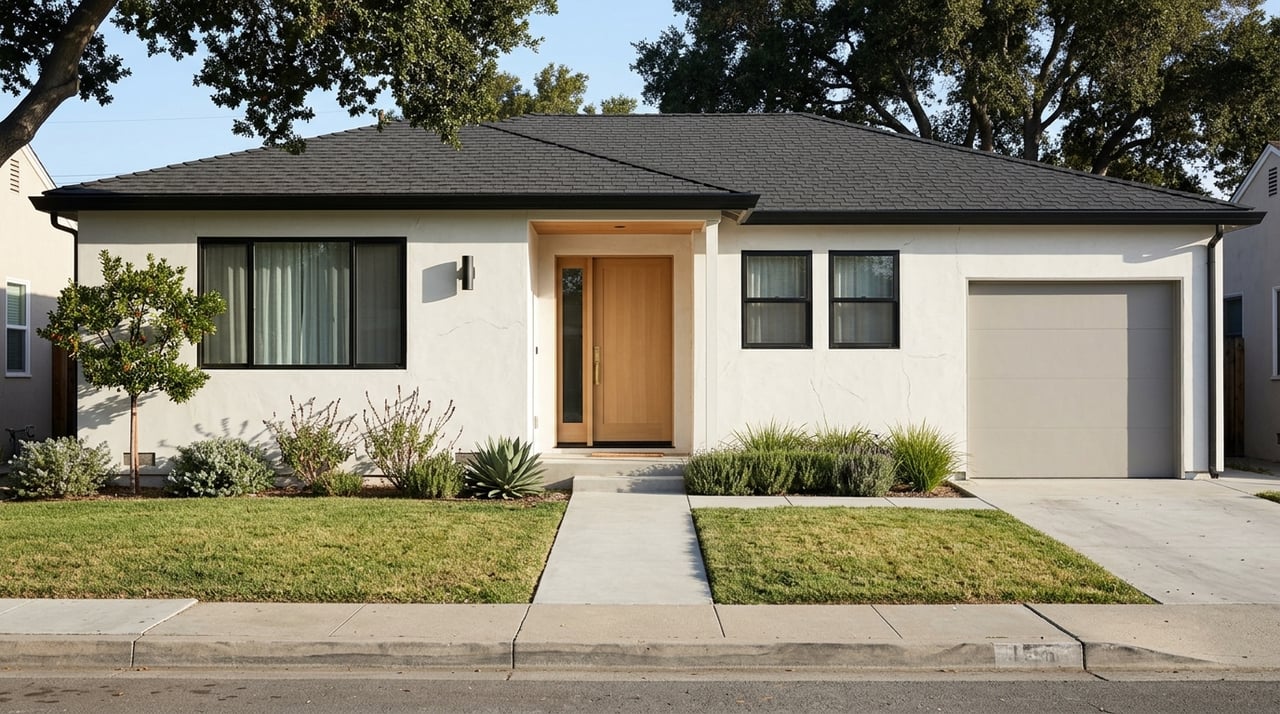
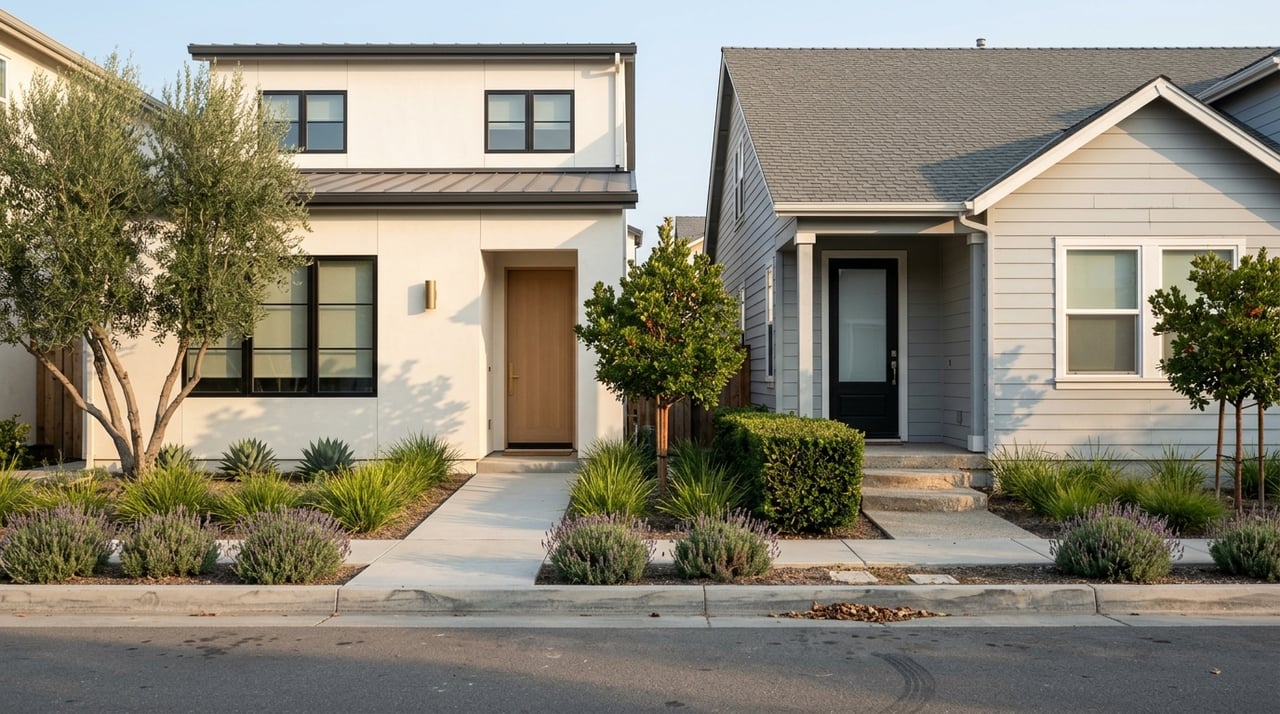
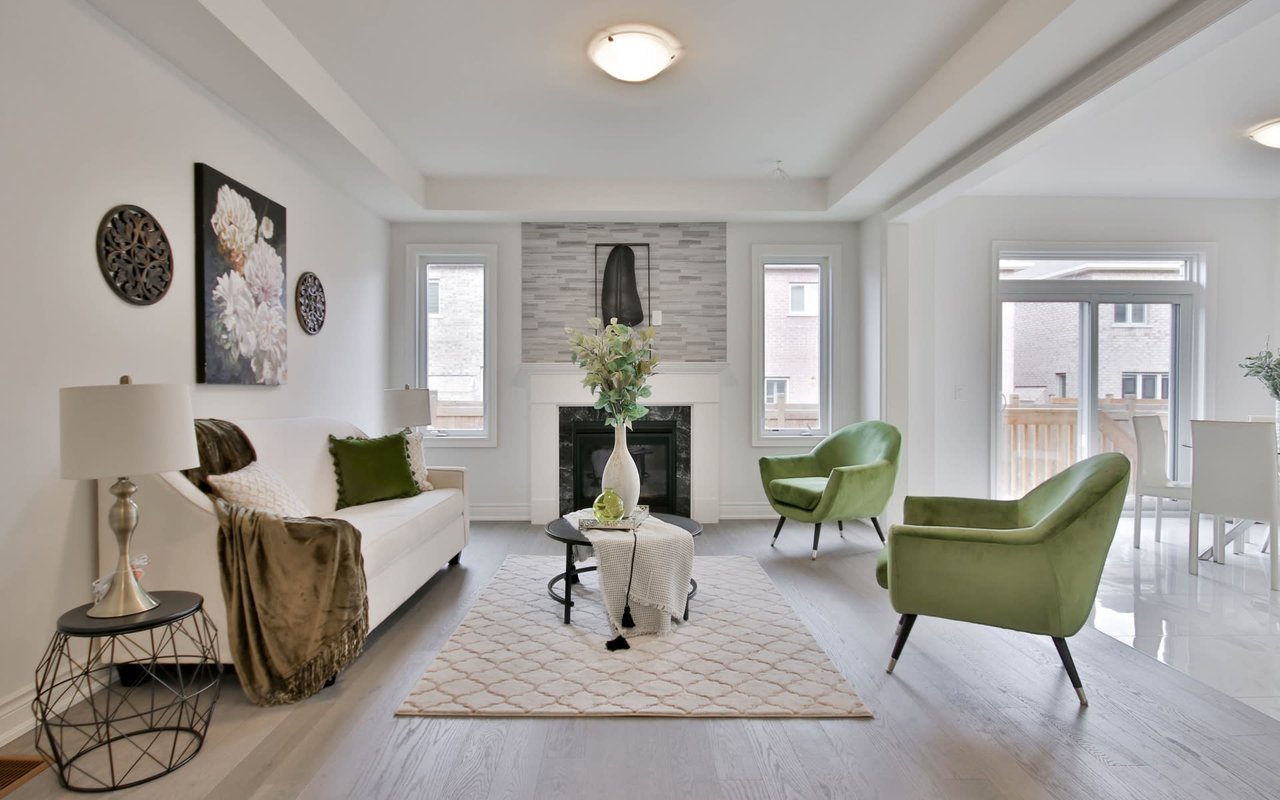
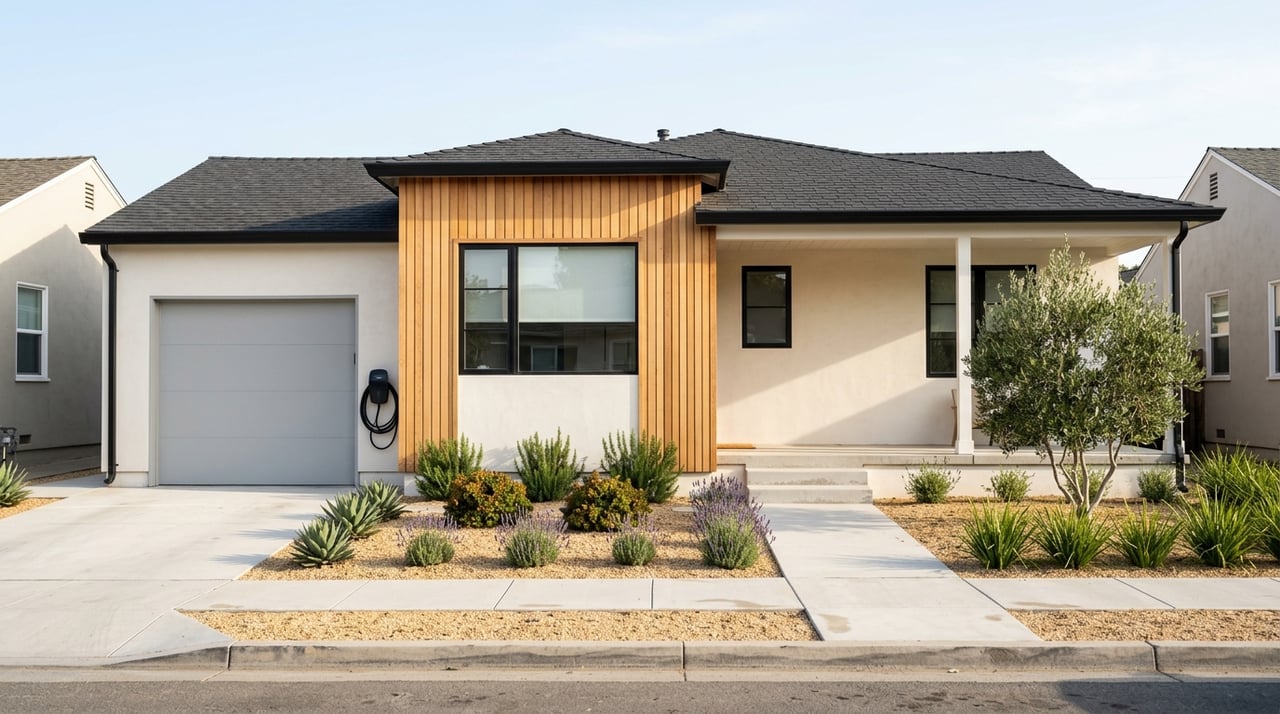
If you picture Vallejo as only a single-family home market, the real picture is a little broader. Census Reporter shows about 73% of Vallejo housing units are single-unit structures, which gives the city a more detached-home feel than Oakland and a somewhat more house-oriented profile than Hayward.
That can be attractive if you want a home style that feels less dense than the inner East Bay. It can also help if your search priorities include outdoor space, a separate layout, or a more traditional house profile.
Detached Homes Lead the Mix
Because so much of Vallejo’s housing stock is single-unit, buyers often have more opportunities to look at detached homes than they would in more multi-unit heavy cities. That matters if you are comparing Vallejo to Oakland, where multi-unit housing plays a much bigger role.
For many commuters, that housing mix is part of the value story. It is not just about buying cheaper. It is about buying differently.
Condos and Smaller Multifamily Exist Too
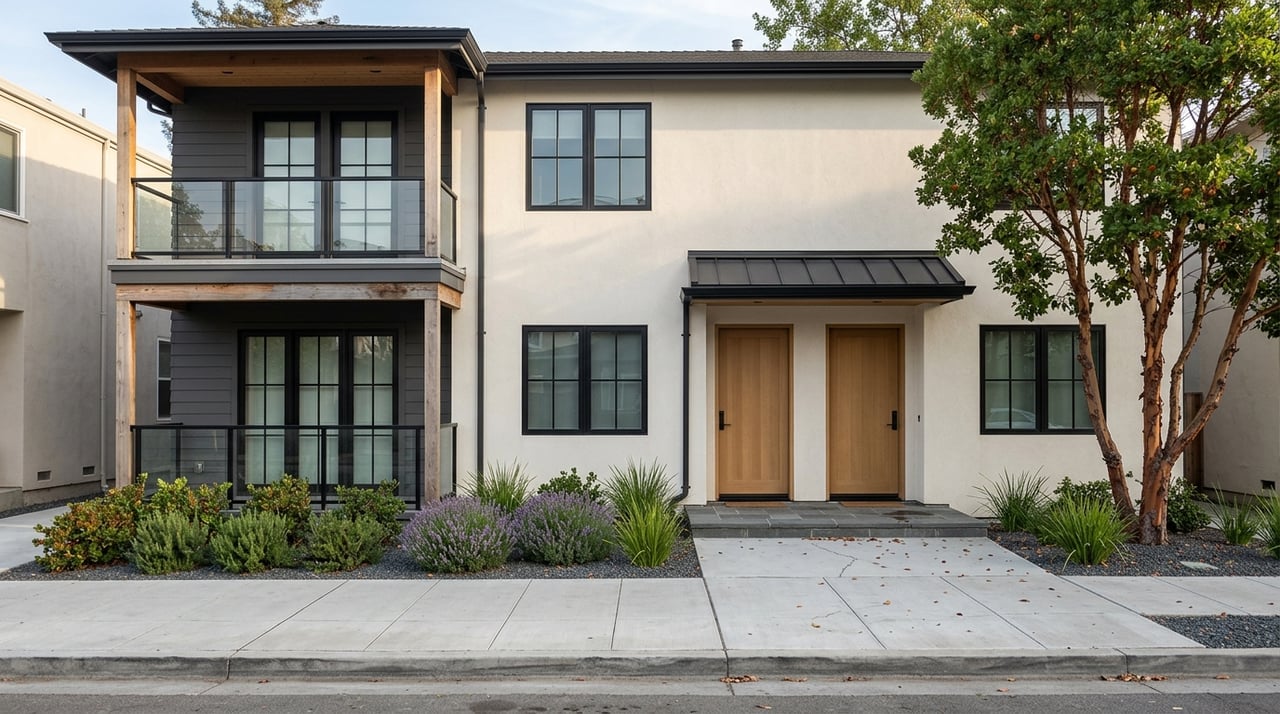
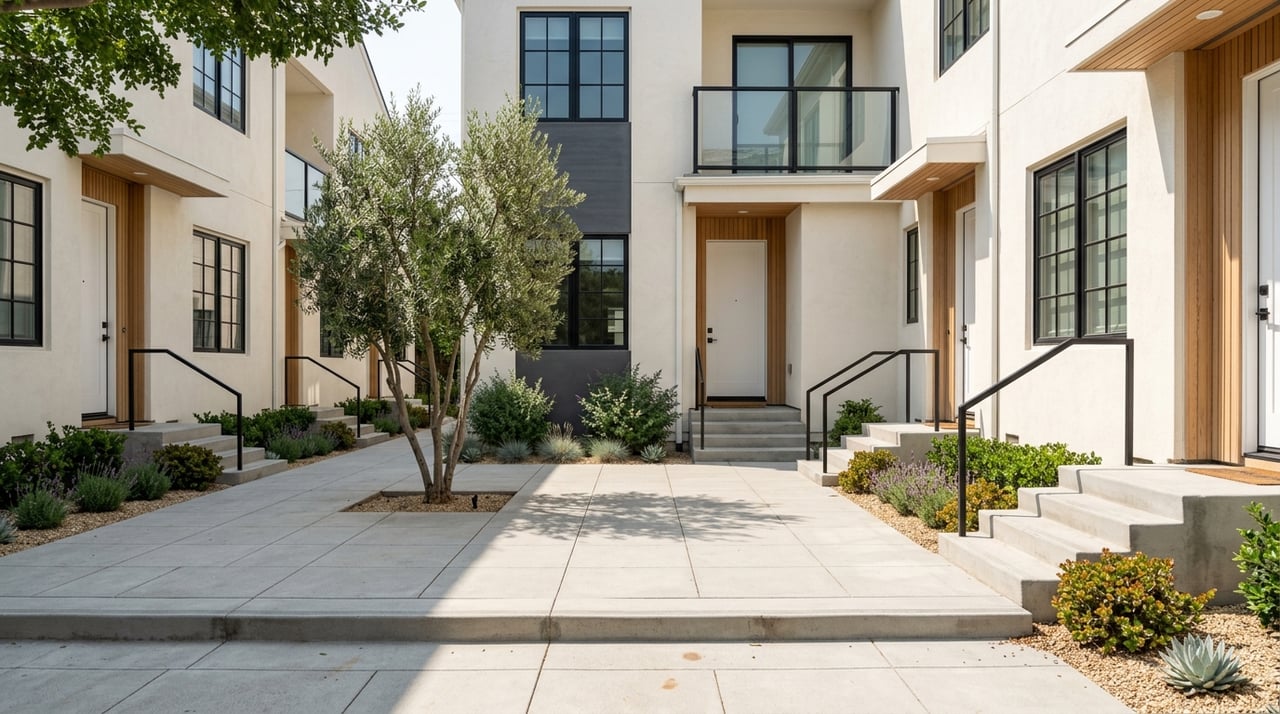
Vallejo is not one-note. The city’s General Plan describes central and historic neighborhoods as having detached homes along with duplexes, triplexes, fourplexes, smaller apartment buildings, and small commercial spaces.
Mare Island planning documents also point to ongoing updates meant to allow more housing and a greater variety of housing types. So if you are open to different ownership styles, Vallejo offers more variety than the single-family headline alone might suggest.
The Commute Tradeoff Is Real
This is where the decision becomes personal. Vallejo works best when you are comfortable trading a longer trip for a lower price point and more housing flexibility.
The city is connected by State Routes 29 and 37 and Interstates 80 and 780, which gives you car access in multiple Bay Area directions. That makes Vallejo a workable base for many commuters, especially if your job location or schedule is not the same every day.
Ferry Access to San Francisco
For many buyers, the ferry is one of Vallejo’s biggest selling points. The city says San Francisco Bay Ferry makes the trip to San Francisco in less than one hour, and the Vallejo route lists about 60 minutes between Downtown San Francisco and Vallejo with daily service.
SF Bay Ferry also notes free parking at most terminals. If you like the idea of a park-and-ride option instead of driving all the way into the city, that is a meaningful convenience.
Mixed-Mode Transit Options
Vallejo also has more than one transit path. SolTrans says its network connects with El Cerrito del Norte BART, Walnut Creek BART, and the San Francisco Ferry Building through major hubs like the Vallejo Transit Center and Curtola Park and Ride.
That flexibility can help if your commute changes during the week. You may not rely on one route every day, and Vallejo gives you several ways to build a routine that fits your work pattern.
Vallejo Is Not the Fastest Ferry Option
It is important to be honest about the downside. The Oakland and Alameda ferry route runs about 15 to 25 minutes, which is much faster than Vallejo’s roughly 60-minute ride to San Francisco.
So yes, Vallejo can work for San Francisco commuters. But if your top priority is the shortest possible trip, Vallejo is probably not your best fit.
What the Average Commute Data Suggests
Citywide commute averages only tell part of the story, but they still provide helpful context. Census Reporter puts mean travel time to work at about 30 minutes in Vallejo, compared with 31.2 in Oakland, 34.5 in Hayward, and 27.2 in Berkeley.
That tells you Vallejo is not automatically an outlier in overall commute length. Your actual experience will depend much more on where you work, how often you commute, and whether you can use the ferry, driving routes, or transit connections strategically.
Who Vallejo Fits Best
Vallejo is not a one-size-fits-all answer, but it can be a smart move for the right buyer. In general, it tends to fit buyers who care more about ownership value and housing options than about shaving every possible minute off the commute.
The strongest match usually falls into three groups:
- First-time buyers trying to enter the market at a lower price point
- Move-up buyers who want more square footage or a detached-home profile
- Commuters with hybrid schedules or job locations that can absorb a longer trip
If that sounds like you, Vallejo may offer a better balance than you expect. If you need to stay deep inside the denser inner East Bay transit network or need the fastest ferry to San Francisco, the fit may be weaker.
Vallejo Lifestyle Adds to the Value
A home search is not only about the commute. It is also about what your daily life feels like once you get there.
Vallejo highlights its historic downtown waterfront, parks, museums, music venues, art galleries, theaters, shopping, nightlife, and restaurants. Visit Vallejo also emphasizes waterfront trails, a marina, festivals, and convenient access to Napa and the Bay.
Mare Island adds another layer to the city’s identity. As the first U.S. naval installation on the West Coast, it brings a historic setting that continues to evolve through redevelopment efforts.
So, Is Buying in Vallejo a Smart Move?
For many Bay Area commuters, yes, Vallejo can be a smart move. It offers a meaningful affordability advantage, a more ownership-oriented profile than some nearby urban markets, and a housing mix that gives many buyers more room to work with.
The catch is simple. You need to be comfortable with the commute tradeoff. Vallejo makes the most sense when lower pricing, more home options, and regional access matter more to you than being as close as possible to San Francisco or the inner East Bay core.
If you are weighing that decision, the right next step is not guessing. It is comparing your budget, commute pattern, and home goals side by side so you can see whether Vallejo truly supports the lifestyle you want.
If you are exploring whether Vallejo fits your commute, budget, or long-term ownership plans, City 1st Realty can help you compare options, understand the numbers, and move forward with a clear strategy.
FAQs
Is Vallejo more affordable than Oakland for homebuyers?
- Yes. Current data shows Vallejo’s median sale price is about $510,000 versus about $850,000 in Oakland, and Census owner-value data also shows Vallejo well below Oakland.
Is Vallejo a good choice for San Francisco commuters?
- Vallejo can work well for San Francisco commuters who are comfortable with a roughly 60-minute ferry ride and want a lower home price in return.
What types of homes are common in Vallejo?
- Vallejo is largely a single-unit home market, with about 73% of housing units in single-unit structures, but buyers can also find condos and smaller multifamily options in some areas.
Does Vallejo have transit beyond the ferry?
- Yes. SolTrans connects Vallejo with regional hubs including El Cerrito del Norte BART, Walnut Creek BART, and the San Francisco Ferry Building.
Who should consider buying a home in Vallejo?
- Vallejo may be a strong fit for first-time buyers, move-up buyers who want more space, and commuters with hybrid schedules who can handle a longer trip in exchange for a lower entry price.