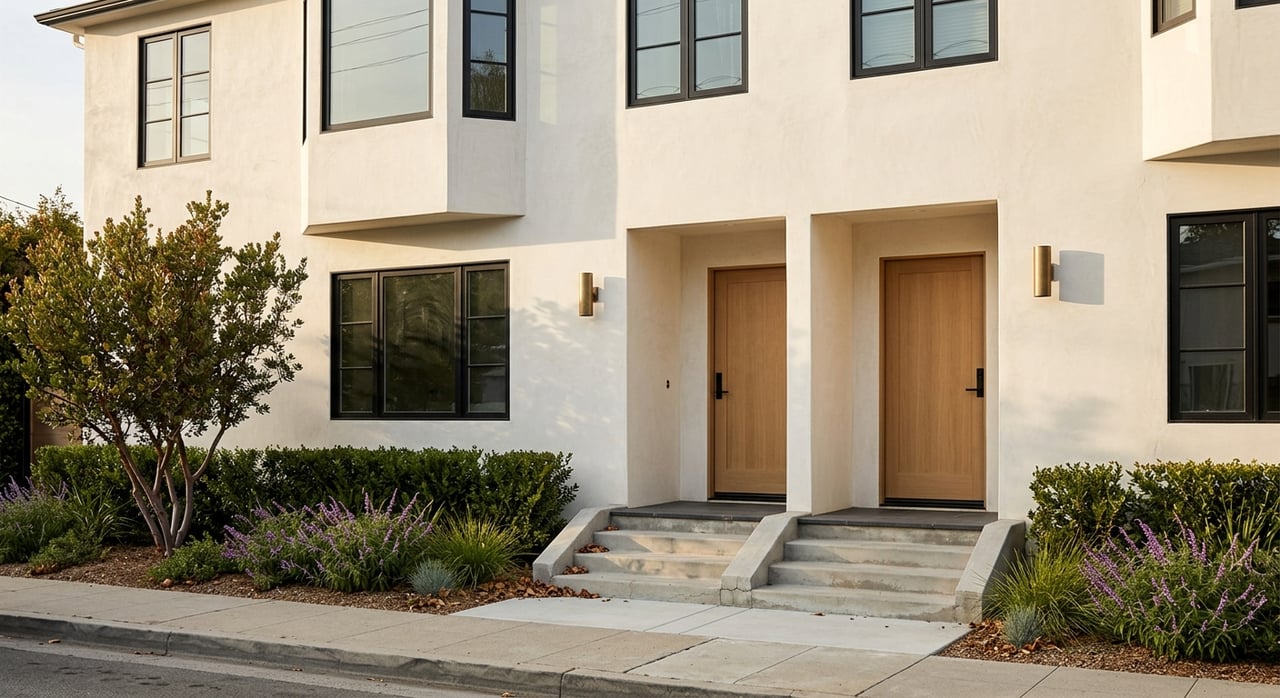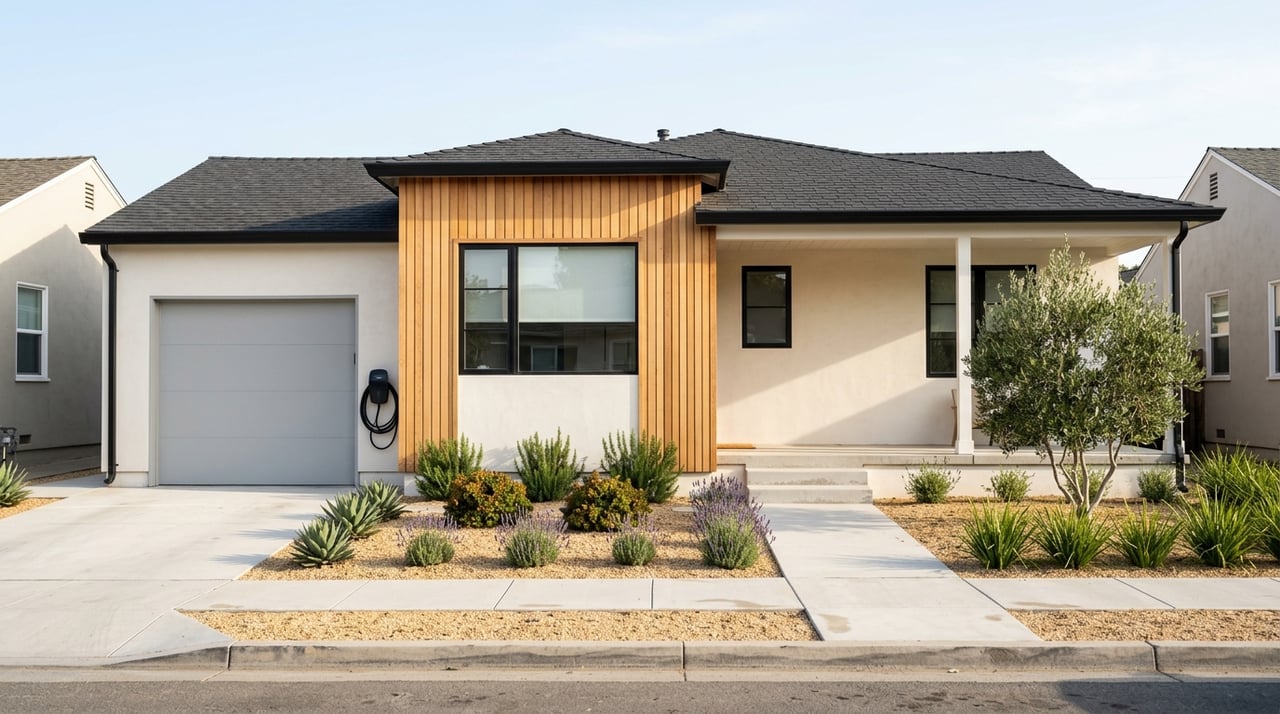
Trying to choose between a condo and a single-family home in Hayward or San Leandro? It is a common East Bay question, especially if you want the right mix of budget, location, maintenance, and long-term flexibility. The good news is that both cities offer both housing types, but they tend to show up in different settings and come with different ownership rules. This guide will help you understand the tradeoffs so you can make a more confident move. Let’s dive in.
How Hayward and San Leandro Differ
Hayward and San Leandro both plan for a mix of housing, but each city points higher-density housing toward key transit and downtown areas.
In Hayward, city planning supports low-density single-family neighborhoods along with townhomes, apartments, condominiums, mixed-use housing, ADUs, and transit-oriented development. The city’s smart-growth efforts are concentrated around Downtown Hayward, the Cannery Neighborhood, South Hayward BART, and the Mission Boulevard Corridor.
San Leandro follows a similar pattern. Planning documents for Bay Fair support a mixed-use transit village, and the city has also promoted higher-density condominium construction near the San Leandro BART station, Downtown San Leandro, and East 14th Street. At the same time, San Leandro’s general plan states that low-density residential remains the city’s predominant residential development type.
Condo vs Single-Family Basics
Before you compare lifestyle, it helps to understand the legal side. In California, a condominium is a form of ownership, not just a building style.
According to the California Department of Real Estate, a condo project gives you a separate interest in your unit plus an undivided interest in shared common areas. A standard subdivision usually gives you ownership of the home and the lot itself, with no common ownership.
That distinction matters because some homes that look like detached single-family properties may still be part of a planned development with HOA rules and dues. In other words, having your own yard does not automatically mean you have no homeowners association.
Where Condos Often Make Sense
If you want to be closer to transit-oriented areas or downtown districts, a condo or townhome may line up well with your goals.
In Hayward, that can include areas shaped by growth around Downtown Hayward, South Hayward BART, the Cannery Neighborhood, and the Mission Boulevard Corridor. In San Leandro, attached housing is often more connected to Bay Fair, Downtown San Leandro, the San Leandro BART area, and East 14th Street planning efforts.
For many buyers, especially first-time buyers, condos can offer a practical way to enter the market in these more connected locations. That does not guarantee lower pricing, but it can mean a different ownership structure with less exterior upkeep.
Where Single-Family Homes Often Fit Better
If you value privacy, lot control, or more freedom over the exterior of your property, a single-family home may be a better fit.
Detached homes usually give you more direct control over landscaping, outdoor space, and exterior changes. They also tend to align with the lower-density residential areas that remain a major part of both Hayward and San Leandro.
That said, not every detached home is free from HOA oversight. Some planned developments include detached homes while still having common property, private streets, or shared amenities managed by an HOA.
Maintenance Is a Major Decision Point
One of the biggest real-world differences between condos and single-family homes is maintenance responsibility.
In many condo and townhome communities, the HOA takes care of at least some shared operating and maintenance duties. The HOA may own, operate, and maintain common improvements, but the exact split between owner and association can vary by project.
For example, one community may place roof or exterior siding responsibility mostly on the HOA, while another may assign part of that work to the individual owner. That is why you should never assume all condos work the same way.
With a typical detached home, you are usually responsible for the property’s upkeep more directly. That can give you more control, but it also means more time, planning, and repair budgeting on your side.
HOA Dues and Monthly Budgeting
A condo may reduce some maintenance tasks, but it usually adds HOA dues to your monthly costs.
Those dues are generally separate from your mortgage payment, so they should be treated as part of your full housing budget from day one. If you are comparing a condo to a single-family home, the smarter comparison is not just purchase price. It is the total monthly cost.
That total can include:
- Mortgage payment
- Property taxes and insurance
- HOA dues, if applicable
- Expected maintenance and repair costs
For some buyers, predictable dues feel easier to plan around than larger surprise repair costs. For others, the added dues make a single-family home feel more attractive, even if maintenance is fully their responsibility.
Insurance Works Differently
Insurance is another area where ownership type matters.
The California Department of Insurance explains that condo unit-owner insurance typically covers your personal property, liability, loss of use, and the interior of the unit plus improvements you are responsible for maintaining. The association generally insures the building structure and common areas.
For a detached home, standard homeowners insurance typically covers the dwelling, other structures, personal property, and loss of use. That difference is one more reason to review the property’s ownership structure carefully before you buy.
Privacy, Rules, and Flexibility
Your day-to-day experience can look very different depending on whether you buy into an HOA-governed community.
HOAs in California can enforce rules, collect dues, levy fines, regulate architectural changes, and restrict access to common-area amenities when rules are not followed. Common areas may include private streets, pools, clubhouses, trails, or similar facilities.
That structure can be a plus if you want shared amenities and a more managed environment. It can feel limiting if you want more freedom over pets, parking, rentals, or exterior modifications.
Single-family homes often offer more privacy and flexibility, but again, you should verify whether the property is in a planned development with CC&Rs. The home’s appearance alone will not tell you the full story.
What to Review Before You Buy
If you are considering a condo, townhome, or any home in a common-interest development, due diligence matters.
In California resale transactions, Civil Code section 4525 requires the seller to provide important HOA-related documents. These can include governing documents, current assessment information, unpaid fines or penalties, unresolved violation notices, rental restrictions if any, recent board minutes if requested, and the latest inspection report.
That disclosure package can tell you a lot about affordability, restrictions, and future risk. It can also help you spot issues that may affect how comfortable you feel with the property.
Key Questions to Ask
Before you decide between a condo and a single-family home in Hayward or San Leandro, ask these questions:
- Is the property legally a condo, a planned development, or a standard subdivision?
- What does the HOA maintain, and what would you maintain yourself?
- What are the current assessments?
- What do the budget and reserve numbers suggest about future dues pressure?
- Are there restrictions on rentals, pets, parking, or exterior changes?
These questions are especially important in East Bay markets where detached homes, planned developments, condos, and townhomes can all exist within a short distance of one another.
Which Option Fits Your Goals?
The better choice depends on what matters most to you.
A condo may fit if you want a lower-maintenance setup, shared amenities, or a location closer to downtown or transit-oriented areas in Hayward or San Leandro. A single-family home may fit if you want more privacy, more direct control over the lot, and greater flexibility in how you use the property.
There is no one-size-fits-all answer. The right move comes from matching the ownership structure to your budget, lifestyle, and plans for the next several years.
If you want help comparing options in the East Bay, City 1st Realty can guide you through the details, from property search to financing strategy and long-term ownership planning.
FAQs
What is the difference between a condo and a single-family home in California?
- A condo is a legal ownership form where you own your unit and share ownership of common areas, while a standard single-family home in a subdivision usually includes ownership of the home and lot.
Are condos more common near transit in Hayward and San Leandro?
- City planning in both Hayward and San Leandro directs more higher-density housing toward downtown and transit-oriented areas such as Downtown Hayward, South Hayward BART, Bay Fair, and Downtown San Leandro.
Can a detached home in Hayward or San Leandro still have an HOA?
- Yes. In California, some detached homes are part of planned developments with HOA-owned common property, CC&Rs, and dues.
What do HOA dues usually cover for a condo?
- Coverage varies by community, but HOA dues often support the operation and maintenance of common improvements and shared areas, with maintenance duties split between the HOA and owner based on the project documents.
What documents should you review before buying a condo in California?
- You should review the CC&Rs, current assessment information, budget and reserve information, any rental restrictions, unresolved violation notices, and other HOA disclosures required in the resale process.
Is a single-family home always better for privacy and flexibility?
- Detached homes usually offer more privacy and more direct control over the lot and exterior, but some are still subject to HOA rules, so you should verify the legal ownership structure before buying.