Looking for a place where you can step out your door, catch BART, walk the lake, and end the day near a theater or waterfront? Oakland’s urban core offers that kind of city living, but it is not one single neighborhood with one single vibe. If you are thinking about renting, buying, or investing here, it helps to understand how the downtown-lake-waterfront area actually functions day to day. Let’s dive in.
How Oakland’s urban core is laid out
Oakland’s urban core is best understood as a connected district rather than a neatly boxed-in neighborhood. City planning areas tie together Downtown Oakland, City Center, Uptown, Old Oakland, Chinatown, Lake Merritt, Jack London Square, and nearby residential edges into one everyday-use zone.
That matters because your experience can change quickly from one subdistrict to the next. One block may feel centered on offices, transit, and mid-rise housing, while another feels historic, arts-focused, or waterfront-oriented. If you want to live here, the exact block and immediate street context matter just as much as the larger area name.
Getting around without relying on a car
One of the biggest draws of central Oakland is how easy it can be to move around without driving everywhere. The 12th St. Oakland City Center station sits near Downtown, Old Oakland, and Chinatown, while the 19th St. Oakland station anchors Uptown near major entertainment venues. AC Transit also serves these areas, and the Free B Downtown Oakland Shuttle supports local trips through the core.
Around Lake Merritt, city planning places strong emphasis on walking, biking, buses, BART, carpooling, and ridesharing. That gives the area a car-light feel for many residents. If your ideal routine includes commuting by transit, running errands on foot, or meeting friends without planning around parking first, this is a major lifestyle advantage.
Jack London Square adds another layer of mobility. The district has year-round ferry service connecting Oakland Jack London Square with San Francisco and Alameda. For some residents, that waterfront access is not just scenic, but part of the appeal of everyday life.
Lake Merritt shapes daily life
Lake Merritt is the open-space anchor of the urban core. Lakeside Park is one of Oakland’s most accessible parks, with paved trails and a wide range of ways to use the space. You can fit in a quick lap before work, spend a longer weekend morning outdoors, or simply use the lake as your go-to reset point in the middle of the city.
The area includes bird-watching near the wildlife refuge, the Gardens at Lake Merritt, boating and sailing programs, the Lake Merritt Sailboat House, and the Rotary Nature Center. In practical terms, that means the lake supports both active and casual routines. Walkers, joggers, bikers, rowers, sailors, and windsurfers all help define the area’s rhythm.
If you are comparing Oakland’s urban core to other city neighborhoods, this is one of its clearest advantages. Few places offer a major urban lake so close to transit, housing, cultural venues, and civic uses. It gives central Oakland a more outdoor-friendly feel than many people expect from a downtown district.
Jack London Square offers waterfront living
If Lake Merritt feels local and everyday, Jack London Square feels more waterfront and destination-oriented. The Port of Oakland describes it as Oakland’s only publicly accessible mixed-use waterfront and marina area. That helps explain why the district has a different energy from the lake.
Here, the experience tends to center on strolling, gathering by the water, dining, events, and ferry access. For some people, that marina setting is the strongest pull in the urban core. If you like the idea of being near the water while still staying connected to downtown, Jack London Square offers a distinct version of city living.
Uptown brings arts and nightlife
Uptown is central Oakland’s clearest arts and entertainment district. It is home to major venues like the Fox and Paramount theaters, along with galleries, restaurants, and bars concentrated in a relatively compact area. If you want a neighborhood where cultural activity is visible in everyday life, Uptown often stands out first.
Recurring events add to that feeling. Oakland First Fridays brings a monthly street festival to Telegraph Avenue with art, culture, food, music, and community activity. The city’s Black Arts Movement and Business District on 14th Street also reflects an intentional focus on cultural expression, activated public space, and local business support.
The practical takeaway is simple: this part of the urban core can feel event-driven. Rather than revolving around big-box errands or quiet residential predictability, certain streets and weekends are shaped by performances, festivals, and public programming. If that excites you, Uptown may feel energizing. If you prefer a more uniform pace, you will want to pay close attention to location.
Events help set the neighborhood rhythm
In central Oakland, the calendar often shapes the lifestyle as much as the map does. The Oakland Museum of California is a great example. Its recurring lineup includes Friday Nights at OMCA with Off the Grid from April through October, plus First Sundays with free general admission to the museum’s main galleries.
That means living nearby can feel plugged into a steady stream of public events. You are not just choosing a home. You are also choosing how close you want to be to food trucks, live music, museum programming, and street activity that can become part of your normal week.
Housing styles vary block by block
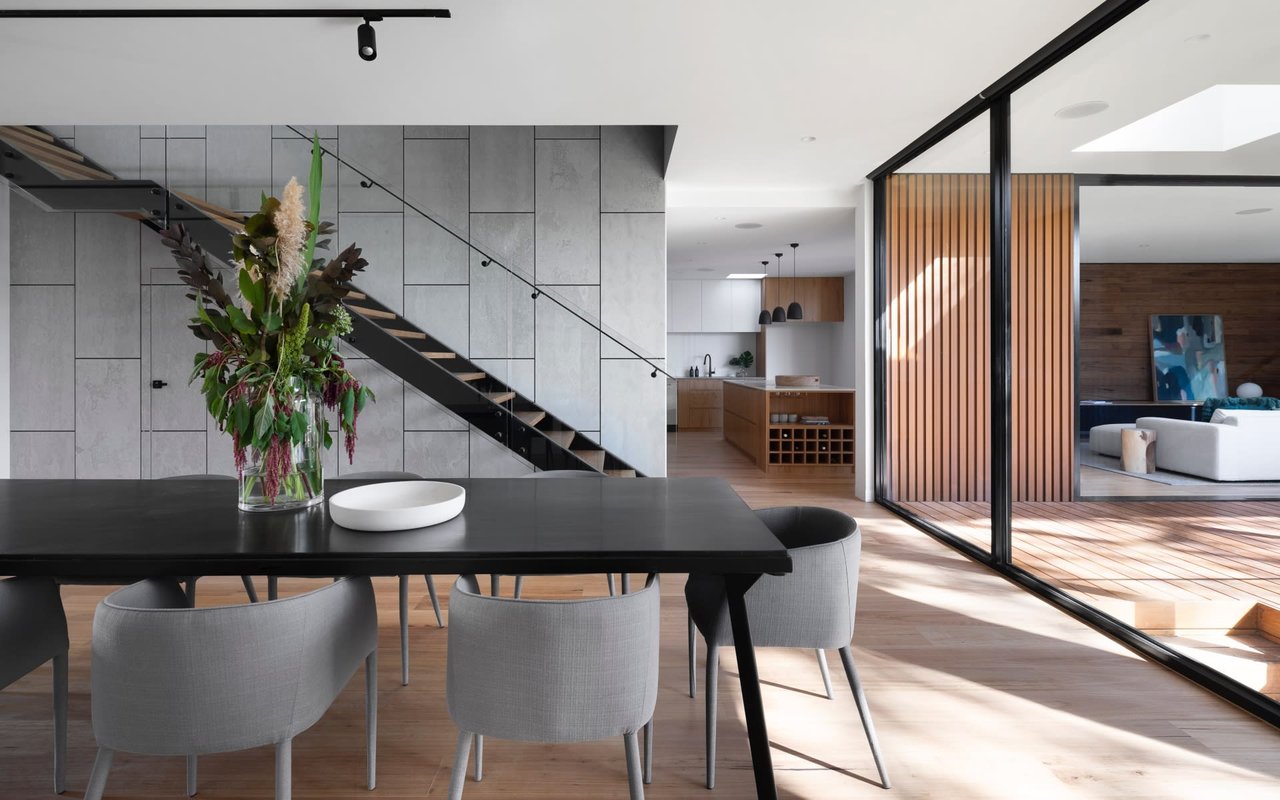
Housing in Oakland’s urban core is mixed by both era and building type. City planning documents describe downtown as a blend of old and new development, including historic resources, early industrial warehouse buildings, Victorian-era homes, contemporary high-rise office buildings, adaptive reuse projects, and dense residential buildings.
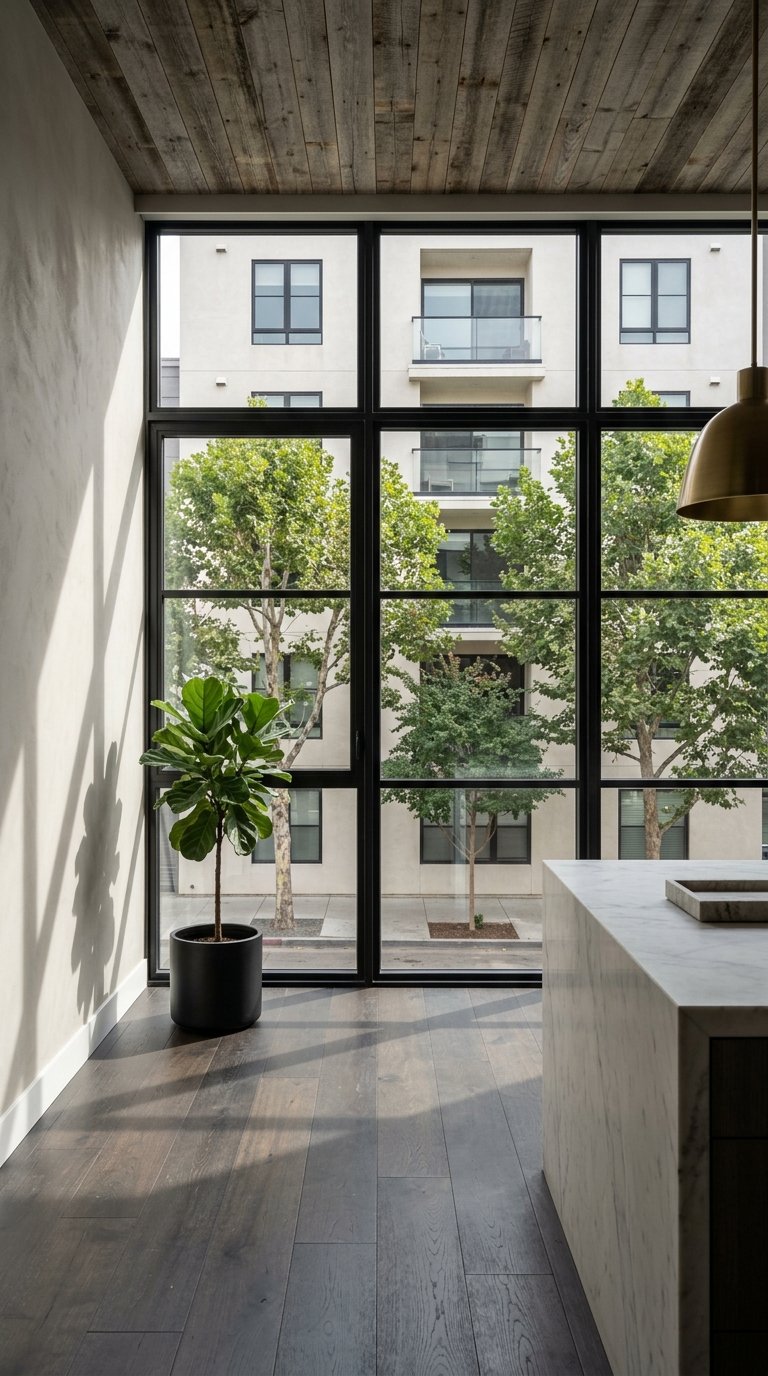
Near City Center and Lake Merritt, you are more likely to notice denser multi-family housing, newer towers, and mid-rise buildings. Around Old Oakland, Uptown, and parts of Jack London, the feel can shift toward older mixed-use buildings, warehouse-style spaces, and historic streetscapes. That architectural range is part of what gives the area its character.
For buyers and renters, this means broad labels only tell part of the story. Two homes with similar distances to BART may offer very different building styles, street activity levels, and overall feel. Touring in person and comparing micro-locations is especially important in a district this layered.
What daily life really feels like
Living in Oakland’s urban core often means choosing convenience, variety, and access. You may be able to walk to transit, spend time by the lake, meet friends in Uptown, and head to the waterfront without leaving the same larger district. That level of overlap is a big reason many people are drawn to the area.
At the same time, central Oakland is not defined by quiet uniformity. It is a compact urban environment shaped by transit, events, mixed-use streets, cultural venues, and a wide range of building types. For the right buyer or renter, that creates a dynamic and engaging home base.
If you are the kind of person who values walkability, culture, and a car-light routine, Oakland’s urban core can check a lot of boxes quickly. If you want a quieter experience, the answer may still be yes, but your exact street and subdistrict become even more important. That is where local guidance can make a real difference.
If you are thinking about buying, selling, or investing in Oakland, City 1st Realty can help you understand how each part of the urban core fits your goals.
FAQs
What areas are included in Oakland’s urban core?
- Oakland’s urban core generally includes connected central districts such as Downtown Oakland, City Center, Uptown, Old Oakland, Chinatown, Lake Merritt, Jack London Square, and nearby residential edges.
Is Oakland’s urban core good for car-light living?
- The area offers strong access to BART, AC Transit, the Free B Downtown Oakland Shuttle, walking and biking routes, ridesharing, and ferry service from Jack London Square.
What is outdoor life like in central Oakland?
- Lake Merritt and Lakeside Park anchor outdoor life with paved trails, boating and sailing programs, gardens, bird-watching areas, and space for walking, jogging, and biking.
What makes Uptown Oakland stand out?
- Uptown is known for its concentration of arts, entertainment, theaters, galleries, restaurants, bars, and recurring events like Oakland First Fridays.
What kind of housing is common in Oakland’s urban core?
- Housing is mixed and can include newer towers, mid-rise multi-family buildings, historic mixed-use properties, warehouse-style spaces, adaptive reuse buildings, and older historic homes.
Is Jack London Square different from Lake Merritt?
- Yes. Lake Merritt is more centered on park space and everyday outdoor activity, while Jack London Square has a more marina and waterfront gathering feel with ferry access, events, and dining.