Looking for the right fit in Hercules can feel surprisingly tricky because this city does not fall into just one category. You might want higher-elevation homes, a bayfront setting, or quieter planned streets near parks and commuter routes. The good news is that Hercules offers all three in different parts of the city, and understanding those differences can help you make a smarter move. Let’s dive in.
How Hercules Is Structured
Hercules is best understood as a planned city made up of distinct lifestyle pockets rather than one traditional downtown. The city describes its growth through village-based planning, with major focus areas that include Hilltown, the Waterfront, the Central Corridor, and the Hospitality District.
That planning history still shapes how the city feels today. Instead of one central core, you will find a mix of residential enclaves, mixed-use areas, shoreline spaces, and commuter-oriented corridors. For buyers, that means your day-to-day experience can vary a lot depending on where you land.
Hilltop Living in Hercules
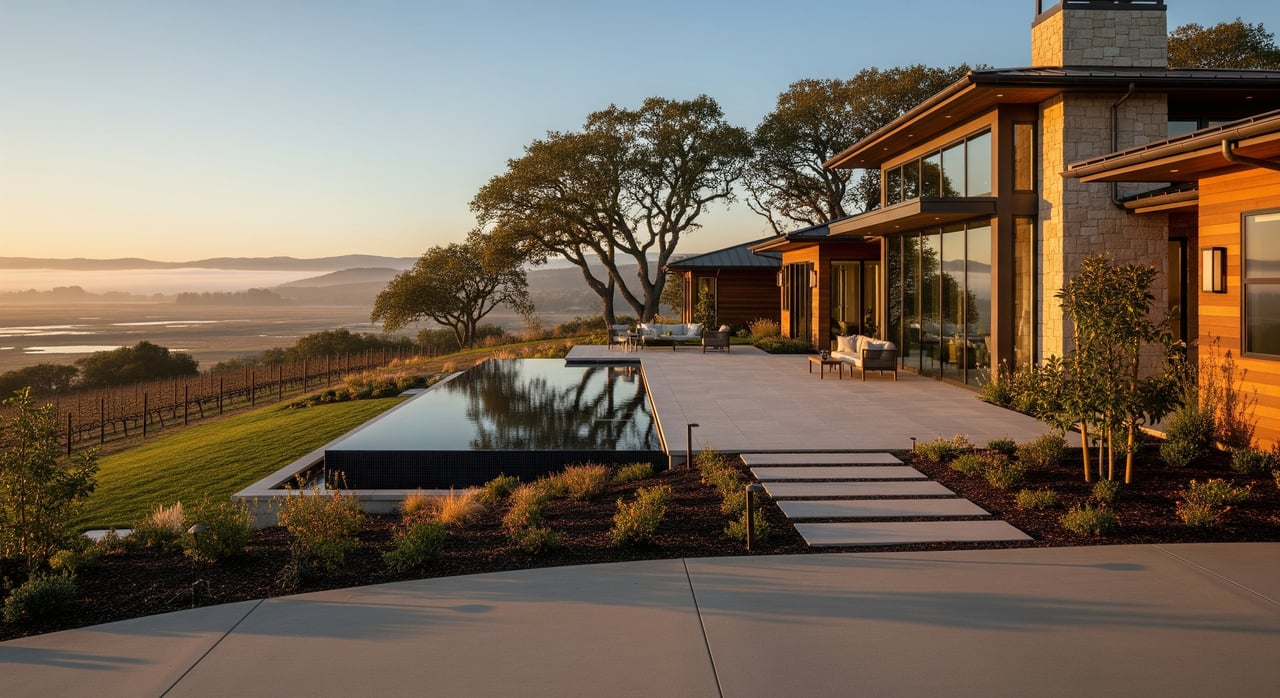
If you like elevation, broad outlooks, and newer development patterns, hilltop living is one of the clearest lifestyle options in Hercules. The city’s Hill Town project is the most direct example of that setting.
What Makes Hill Town Distinct
Hill Town sits on a 44-acre former industrial site bordered by John Muir Parkway, San Pablo Avenue, Victoria by the Bay, and Interstate 80. According to the city, the site rises from about 50 feet to more than 200 feet in elevation, creating the kind of topography that gives the area its hillside identity.
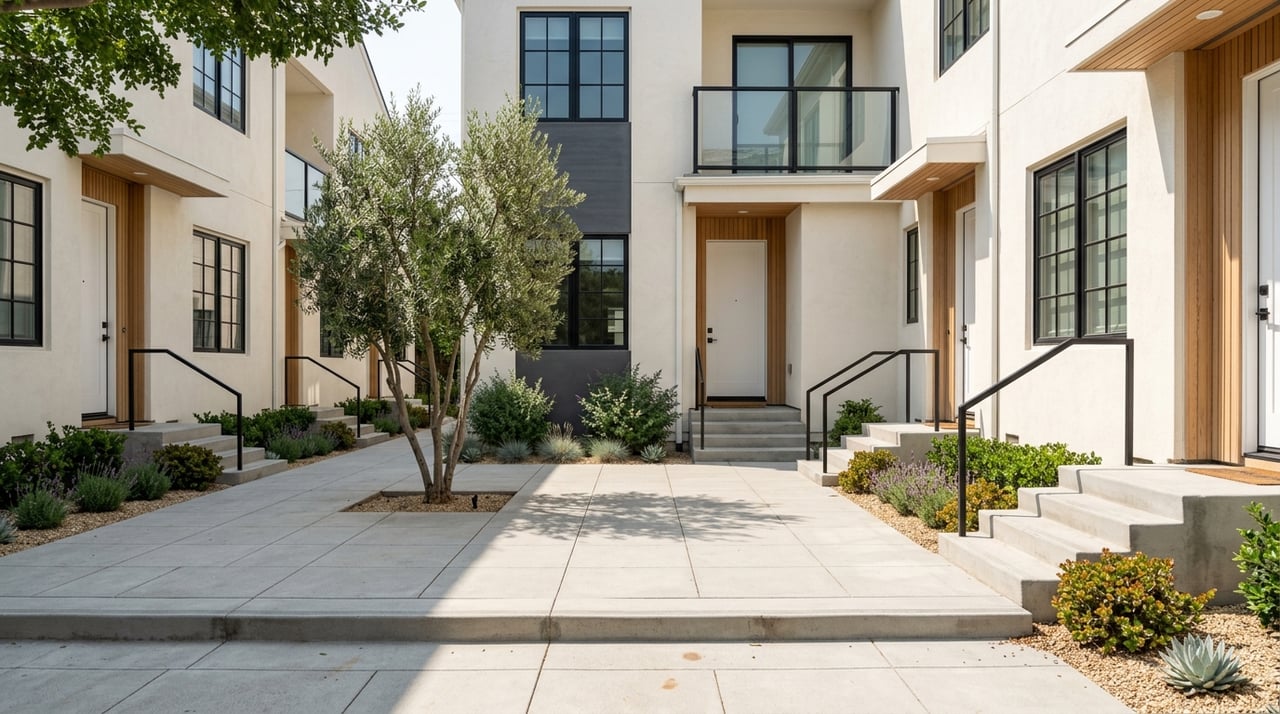
The project is approved for up to 598 homes, including townhomes, courtyards, and podium housing, along with 4,200 square feet of neighborhood retail. The city’s housing documents describe the plan as intentionally designed to feel like a hill-town setting.
Who Hilltop Areas May Appeal To
This part of Hercules may appeal to buyers who want a more contemporary housing format and a setting that feels visually set apart from flatter neighborhood blocks. Because the city places higher-density housing near transit centers, shopping centers, and other active areas, this type of location can also suit buyers who want easier access to daily conveniences.
You may also notice a broader range of housing types in Hercules than in some nearby suburban cities. The city’s housing framework separates larger-lot estate zoning, larger planned single-family subdivisions, and higher-density multi-family zones, which helps explain why home styles can shift noticeably from one area to another.
Waterfront Living in Hercules
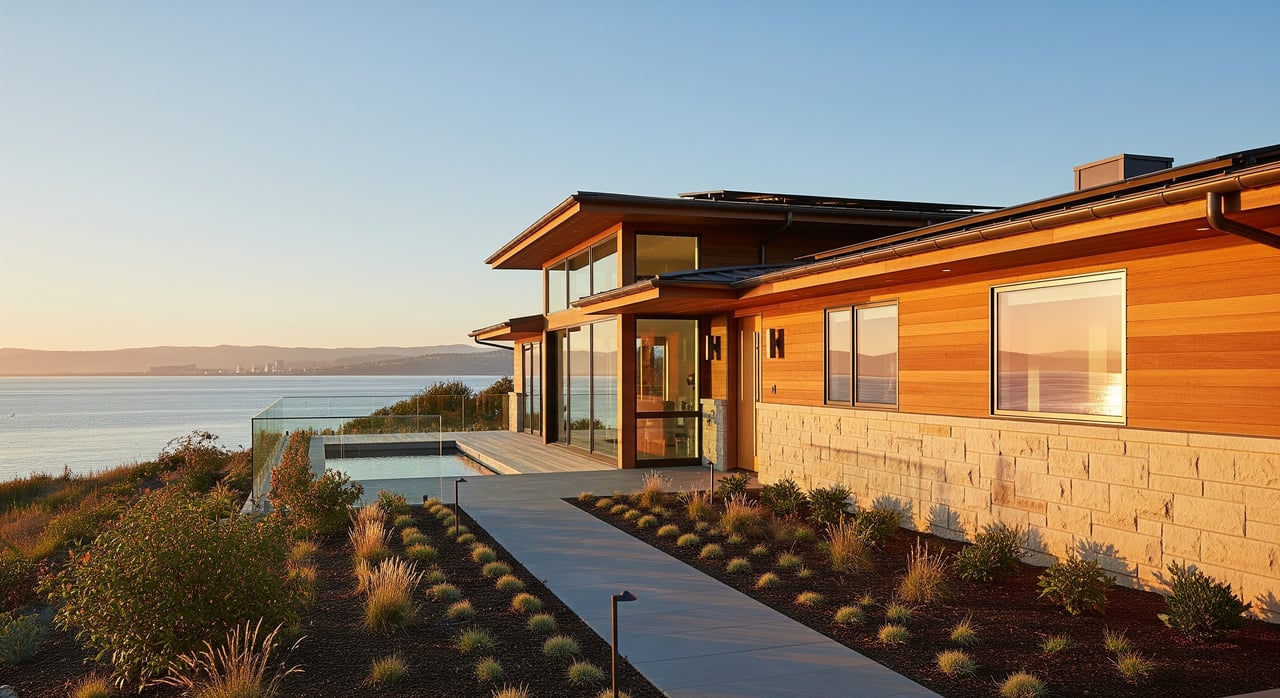
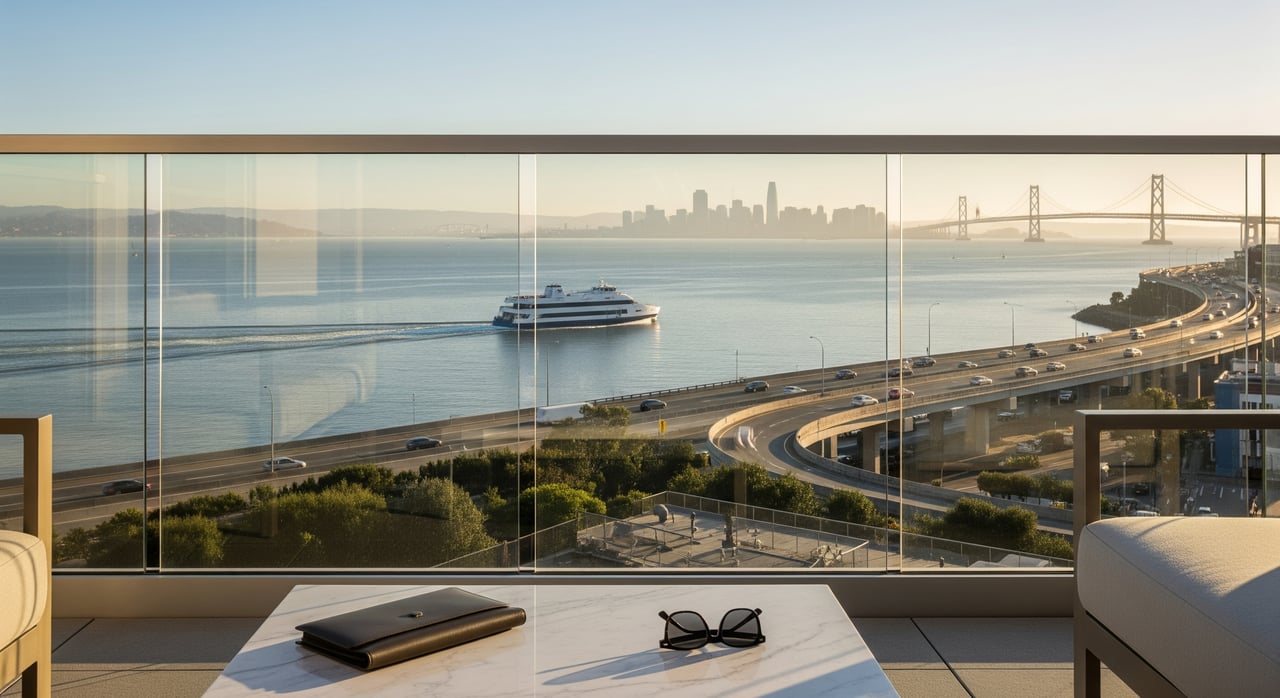
For many buyers, the waterfront is the most unique part of Hercules. This is where you see the city’s bay-facing identity, mixed-use planning, and long-term vision come together most clearly.
What the Waterfront District Offers
The Waterfront District Master Plan is designed to preserve the historic Hercules Powder Company town site while allowing new construction, reuse of existing areas, public spaces, shoreline access, and mixed-use development. The district supports residential, retail, commercial, professional office, and live-work uses.
That mix creates a different feel from the city’s more traditional suburban neighborhoods. Instead of mainly residential streets, the waterfront is planned as a place where housing, public space, and future transit connections work together.
The Village and Bayfront Growth
The Village is envisioned as the highest-density housing area in the waterfront district. Completed projects include The Exchange with 172 units and 14,000 square feet of ground-floor retail, and The Grand with 231 units.
The city also reports that remaining Village blocks are planned for 171 townhomes and work-live units. More broadly, the Bayfront project spans 42 bay-adjacent acres and is intended to become a new town center with a waterfront, train terminal, and ferry terminal.
Waterfront Lifestyle and Outdoor Access
One of the biggest draws here is access to the shoreline environment. The San Pablo Bay Regional Shoreline Trail runs through developed Hercules segments accessible from Victoria by the Bay, and the trail is open to bikes, dogs, and e-bikes.
The city also includes future plans to redevelop historic Hercules Point as a public waterfront park. If your ideal routine includes bay views, trail access, and a more mixed-use setting, the waterfront side of Hercules stands out.
Suburban Living in Hercules
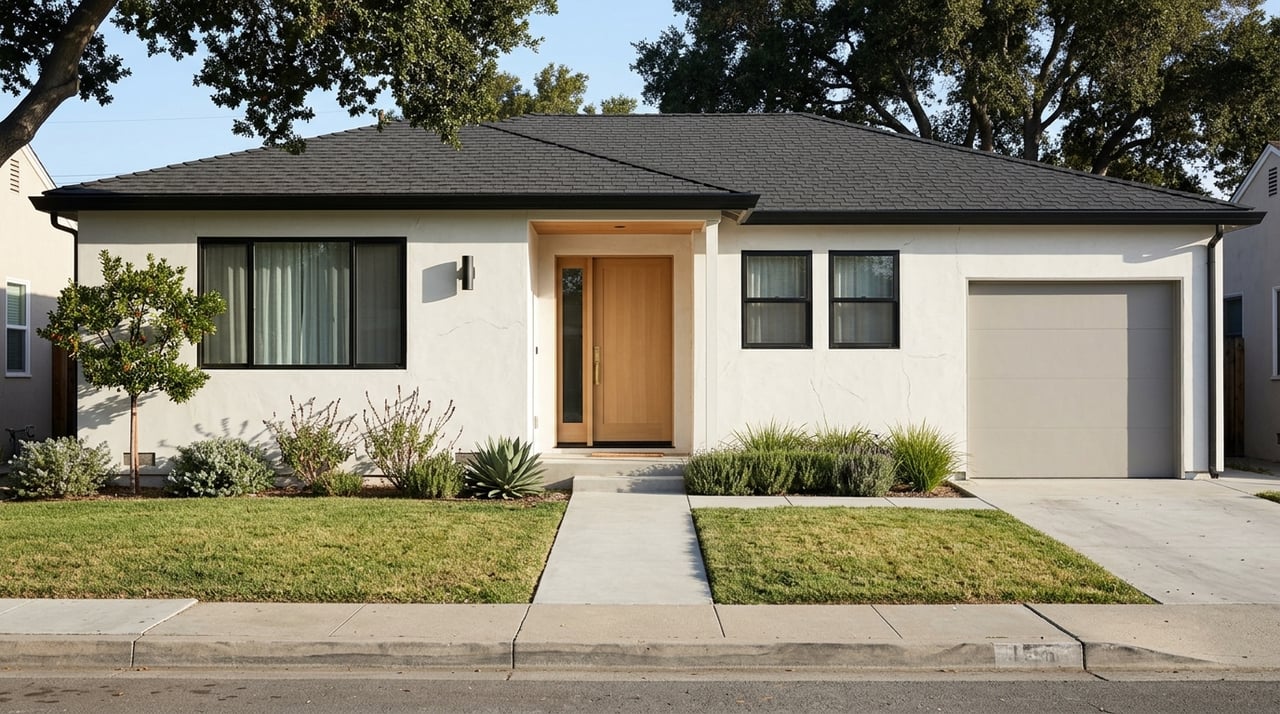
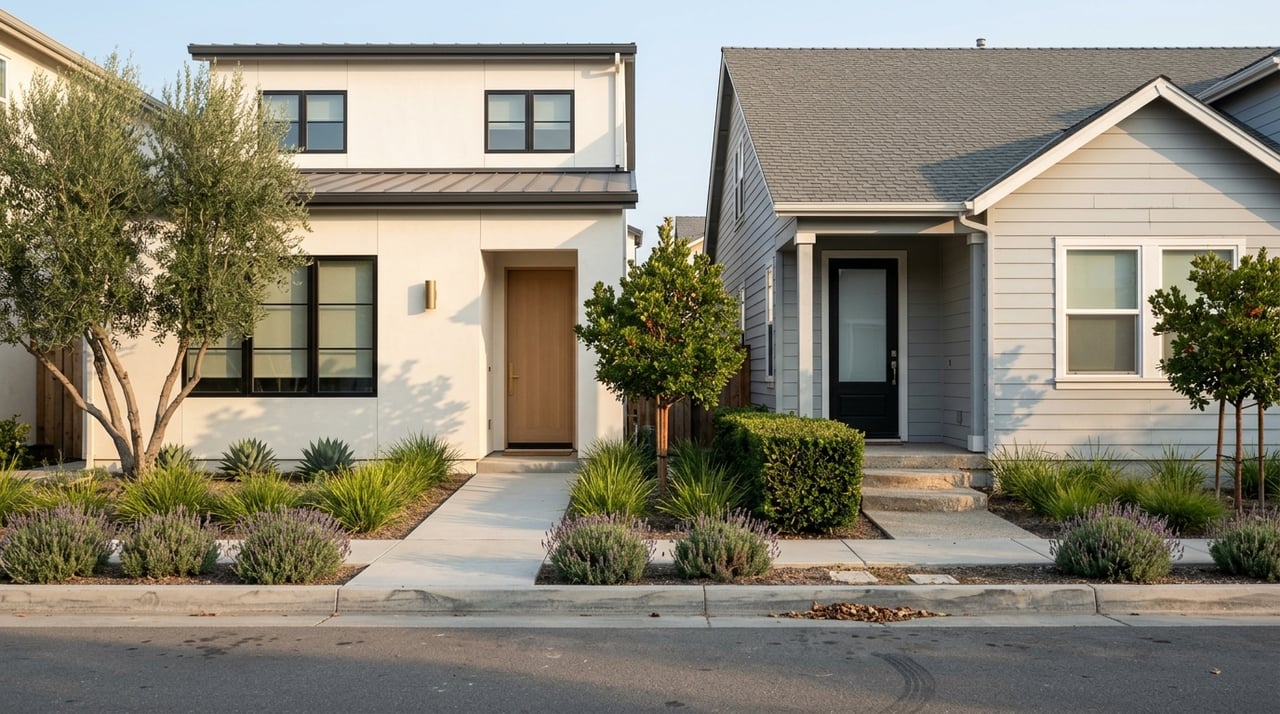
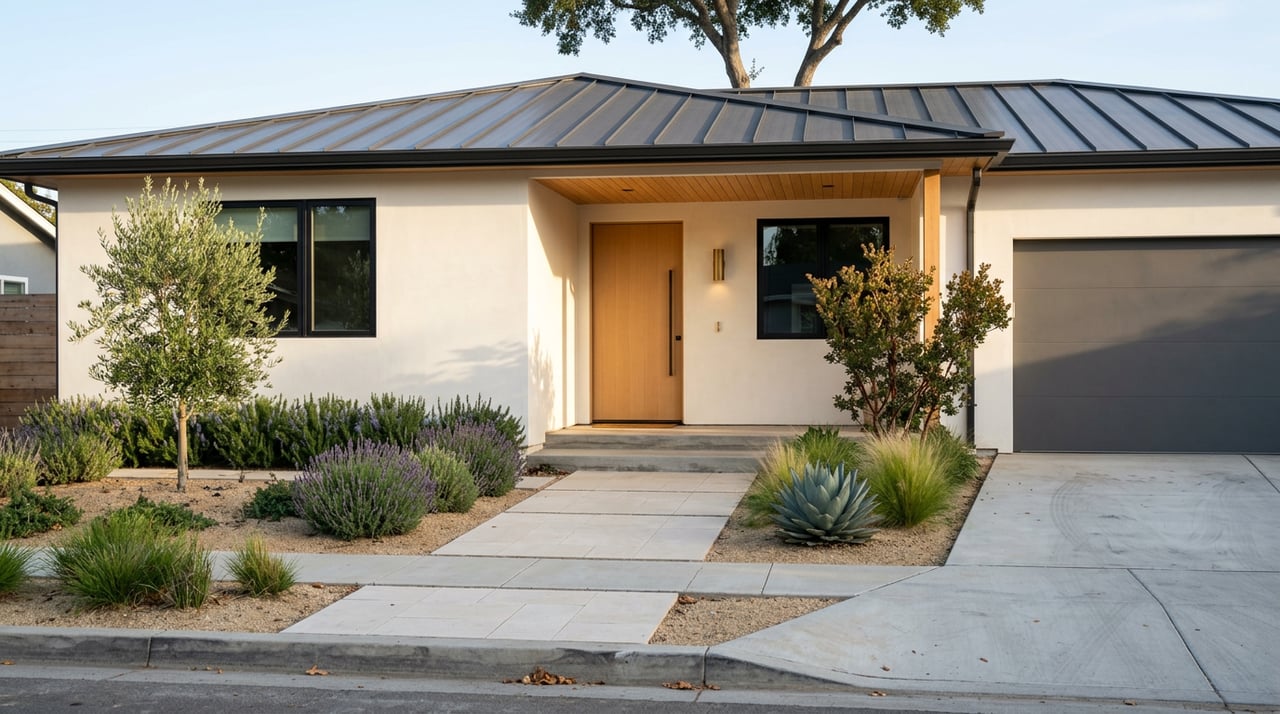
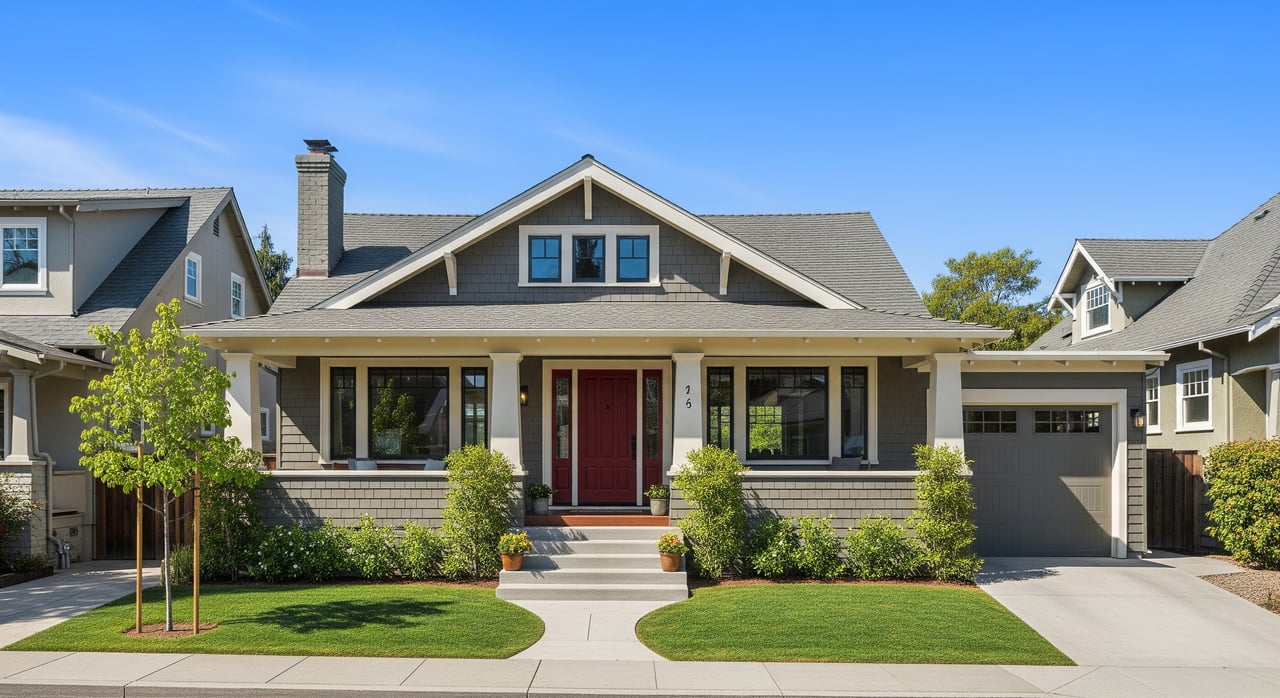
If you picture Hercules as a practical East Bay suburb with planned neighborhoods, parks, and commuter convenience, that image is rooted in the city’s established residential areas. These neighborhoods help explain why Hercules often feels calm, organized, and residential rather than dense and urban.
Planned Neighborhoods and Established Streets
The city’s history names early subdivisions such as Victoria by the Bay, Promenade, Bayside, and Baywood. That legacy matters because it shows how Hercules developed as a series of planned neighborhoods instead of a tight downtown street grid.
As a result, many residential areas feel like self-contained suburban enclaves. You may find that especially appealing if you want a home base that feels separate from busier retail or mixed-use districts.
Parks and Open Space
Hercules has a strong parks and open-space system for a city of its size. The city says it maintains many parks, open space areas, and trails, with Refugio Valley Park serving as the signature community park and the Community Swim Center located in that area.
The city also reports about 950 acres of open space areas and trails throughout Hercules. For buyers who value outdoor access in daily life, that can be a meaningful part of the city’s appeal.
Shopping and Everyday Convenience
Retail in Hercules is more center-based than downtown-based. A 2025 city economic development update says Hercules has about 246,000 square feet of retail space, and the city’s planning documents point to retail, restaurants, coffee shops, and specialty shops as part of the Historic Town Center vision near Railroad Avenue.
You will also see newer mixed-use activity in projects like Sycamore Crossing and in the waterfront Village area. In practical terms, that means shopping and dining are present, but they are distributed across planned centers rather than concentrated into one main commercial district.
Commuting From Hercules
Commute patterns are a major part of the Hercules lifestyle conversation. For many residents, the city works because it combines suburban housing with straightforward regional connections.
The city says Hercules is served by Interstate 80 and State Highway 4. Public transit options include WestCAT bus connections to BART and AC Transit, along with direct express service from Hercules to downtown San Francisco.
WestCAT’s LYNX service runs from the Hercules Transit Center to Salesforce Transit Center. The JX and JPX routes connect Hercules Waterfront and the Hercules Transit Center with El Cerrito del Norte BART, and 511 lists the Hercules Transit Center at Sycamore Avenue and San Pablo Avenue.
For buyers balancing East Bay living with work or travel across the region, those connections can make Hercules worth a closer look. Your ideal location within the city may depend on whether you prioritize highway access, bus connections, or proximity to future waterfront transit plans.
Choosing the Right Hercules Lifestyle
The best part of Hercules is that it offers several living styles within one city. The challenge is knowing which one lines up with your priorities.
Here is a simple way to think about it:
- Hilltop areas may suit you if you want elevation, newer housing formats, and a setting with visual separation.
- Waterfront areas may fit if you want bay access, mixed-use surroundings, and a location tied to the city’s long-term growth plans.
- Established suburban neighborhoods may make sense if you want planned residential streets, parks, and practical commuting options.
If you are buying your first home, moving up, or thinking beyond a primary residence into long-term ownership goals, Hercules gives you more variety than many people expect. The key is matching your budget, commute, and lifestyle needs to the part of the city that supports them best.
At City 1st Realty, we believe your move should fit your full real estate journey, not just your next address. Whether you are comparing neighborhoods, exploring financing options, or planning for future investment potential, our team can help you make sense of the Hercules market with clear, local guidance. City 1st Realty
FAQs
What is the difference between hilltop and waterfront living in Hercules?
- Hilltop living in Hercules is defined more by elevation, newer housing formats, and hillside planning, while waterfront living is shaped by bay access, mixed-use development, shoreline trails, and long-term transit-focused growth.
What is the Waterfront District in Hercules, CA?
- The Waterfront District in Hercules is a bay-facing mixed-use area planned for residential, retail, office, live-work space, shoreline access, public spaces, and future transit features such as a train and ferry terminal.
Are there established suburban neighborhoods in Hercules, CA?
- Yes. Hercules includes established planned neighborhoods such as Victoria by the Bay, Promenade, Bayside, and Baywood, which contribute to the city’s suburban residential character.
What outdoor amenities are available in Hercules, CA?
- Hercules offers parks, trails, and open space throughout the city, including Refugio Valley Park, the Community Swim Center area, and developed segments of the San Pablo Bay Regional Shoreline Trail.
How do commuters get around from Hercules, CA?
- Commuters in Hercules use Interstate 80, State Highway 4, and WestCAT transit options, including express bus service to downtown San Francisco and routes connecting to El Cerrito del Norte BART.
Is Hercules, CA more urban or suburban?
- Hercules is primarily suburban in character, but it includes a range of environments, from established residential neighborhoods to higher-density hilltop housing and a mixed-use waterfront district.